Temps and termites are on the rise. Schedule your free inspection today.

800-837-5520 Call us for a free quote Contact us

How to prevent spiders in your home

Spiders inside a home can cause homeowners a lot of consternation and frustration. First, because most people fear spiders and think they will suffer from spider bites or other potential risks. Second, spider webs around a home can make the property look unused, dirty and unclean. Spiders are not known for their neatness and will leave their leftovers stuck in webs where the sticky strands will collect dust and dirt.

Ehrlich Pest Control can get rid of spiders and their webs and offer advice on how to keep spiders out of your home and away from your property. Contact your local Ehrlich Pest Control office today.

Why spiders enter your home

Spiders typically come indoors in search of food, warmth, or shelter. When insects are active around your property, spiders follow. Cracks in foundations, gaps around doors, and open windows give them easy access to the indoor space.

They’re drawn to quiet, dark spaces like basements, attics, and storage areas where they can hunt undisturbed. Outdoor lighting can also attract the insects spiders feed on, encouraging them to build webs nearby. 

Removing spider webs

Spiders will find areas where other spiders have been feeding and build their own webs. Spiders are more concerned about finding a plentiful food source than they are about scenery and location. Thus, if you find repeated spider webs in a certain area of your home, there may be a large amount of insects in the area which spiders are feeding upon.

Regular cleaning of your home is important. Use dusters and brooms to get rid of old spider webs and the debris they leave behind. Spiders like to build their webs where ceilings and walls meet or ceiling corners. Concentrate on those areas to get rid of webs.

If you continue to see the webs, you may need to contact your local Ehrlich pest control office to determine if you have some other kind of pest which the spiders are using for food.

Spider prevention for the home

Spiders get inside the same way other pests do. Most species of spider are not very big, can compress their bodies to fit into tight spaces, and will gladly crawl into a home through any crack or crevice. This is why conducting regular inspections of the exterior of your home or building is an important part of spider prevention.

Some of the things you can do to keep spiders out of your home include:

Spiders often enter through small openings around doors, windows, and the foundation. Seal cracks in walls, repair damaged screens, and add weather stripping where needed. Check areas where utility lines, vents, or pipes enter your home, and close any gaps with caulk or mesh. Door sweeps on exterior doors and making sure your windows are closed can also help prevent spiders and other pests from slipping inside.

Sometimes cracks form in the foundations of homes and buildings just from the settling which occurs. Often a spider infestation starts in the basement or crawlspace of a home, so regularly checking for holes, cracks and damage in that area is crucial for spider prevention.
Spiders come indoors to hunt for insects, so controlling other pests is an important step. Keep your home clean, wipe up crumbs, and avoid leaving food uncovered. Regular vacuuming removes both insects and spider webs.

A tidy home is less appealing to spiders. Vacuuming regularly, removing webs, and keeping storage areas organized can help reduce hiding places. Reduce clutter in closets, basements, and garages, since spiders prefer quiet, undisturbed spaces. Cardboard boxes, piles of clothing, and stacked items are common hiding spots—replace them with sealed plastic bins when possible.

Spiders, like many pests, are drawn to areas with moisture. Fix leaky pipes, ensure bathrooms and basements are well-ventilated, and use dehumidifiers if needed. Check for condensation on windows or around plumbing fixtures. Reducing humidity makes your home less inviting to both spiders and the insects they prey on.

Outdoor lighting attracts flying insects, which in turn attract spiders. Whenever possible, switch off outdoor lights at night or use yellow-tinted bulbs that are less appealing to bugs. Motion-sensor lights are another good option—they provide visibility when you need it but don’t stay on long enough to draw pests.

Struggling with spiders?

Call now to book your free inspection.

Natural spider repellents

If you spend time searching the internet, you are likely to find a lot of DIY spider prevention methods out there. There are plenty of people who insist these methods are more environmentally sound and will eradicate spiders or prevent them from building their webs in your home. 

Homeowners can find solutions from peppermint oil to using cedar and getting a pet to scattering chestnuts around the house. However, none of these methods can be proven as effective and Ehrlich cannot endorse any of these solutions to completely prevent spiders from getting into the house. For lasting protection, we suggest regular cleaning, sealing entry points, and, if needed, professional pest control service.

Essential oil sprays

Scents like peppermint, lavender, eucalyptus, and tea tree oil are often believed to deter spiders. However, essential oil sprays are not a guaranteed solution. Spider activity is often spread throughout the home, so these sprays may only affect small areas. Reapplication is also needed every few days for any noticeable effect.

Vinegar and citrus remedies

White vinegar and citrus scents are also thought to repel spiders because of their strong smell. You can mix equal parts vinegar and water for a light surface spray or rub citrus peels along windowsills and baseboards to try to repel the odd spider.

Cedar, cinnamon, and chestnuts

Some homeowners place cedar blocks, chestnuts, or even cinnamon sticks in closets or corners to discourage spiders. While these may mask the scents that attract insects, there’s little scientific evidence showing they truly repel spiders.

Outdoor prevention tips

Keeping spiders from entering your home starts outside. Many species prefer to live around the yard or garden and only move indoors when conditions are right. A few outdoor maintenance habits can help reduce their numbers near your home and make it less inviting to them.

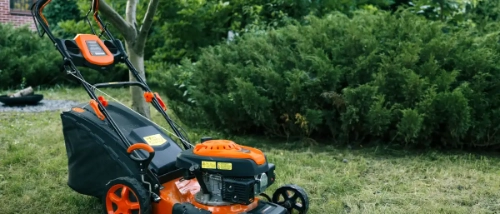
An image of lawmover on a lawn with shrubs in the background

Maintain landscaping

Trim back shrubs, trees, and tall grass that touch your home’s walls or roof. Overgrown vegetation provides ideal shelter for insects, which attracts spiders. Keeping a space between plants and your house helps reduce the number of pests that might wander indoors.

Also, avoid stacking firewood or storing materials directly against the house, as these dark, protected areas are perfect for spiders to hide and build webs.

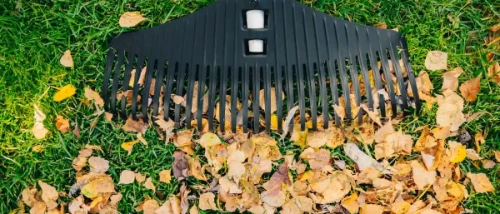
A rake cleaning up colorful leaves on a lawn

Clear debris

Spiders often hide under leaves, rocks, and piles of yard waste. Regularly clear away fallen branches, grass clippings, and other clutter from around your property. This simple habit removes the quiet, shaded spaces spiders prefer and keeps them farther from entry points.

If you have a shed or outbuilding, sweep away cobwebs and check corners regularly to prevent long-term build-up.

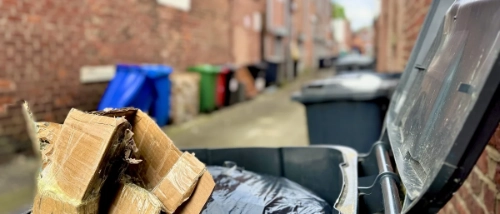
A trash can in a back alley full of trash

Move bins away from the house

Outdoor garbage and recycling bins can attract insects—and where insects go, spiders often follow. Keep bins tightly closed and move them a few feet away from exterior walls or doors. Cleaning the lids and surrounding area occasionally will help reduce food odors and insect activity.

For added protection, inspect the area behind and beneath bins for webs or egg sacs during routine yard maintenance.

DIY spider prevention myths and tips

There’s no shortage of home remedies claiming to keep spiders away, but not all of them hold up in real situations. Some may help reduce activity temporarily, while others do little to address the real causes of spider infestations. Knowing the difference can save you time and frustration.

While citrus scents may discourage some insects, there’s no strong evidence that spiders avoid them. Lemon-scented sprays can help your home smell fresh and remove webs, but they won’t stop new spiders from returning.

Regular cleaning helps reduce webs and insects, but even spotless homes can attract spiders if there are entry points or nearby food sources. Spiders follow prey, not dirt, so sealing gaps and addressing insect issues are far more effective.

Scents like peppermint and eucalyptus might discourage spiders from specific areas, but they won’t eliminate or prevent infestations. At best, they work as a light deterrent alongside other prevention methods.

While a curious cat might chase the occasional spider, pets don’t deter them from entering your home. In some cases, they may even bring spiders out from hiding.


When it comes to prevention, there’s one golden rule for keeping spiders away: focus on long-term solutions, not quick fixes. The best way to reduce spider activity is to remove what attracts them in the first place. Seal cracks and gaps, manage moisture, reduce clutter, and control the insects that serve as their food source. 

When consistent home maintenance is paired with professional pest control, you’ll see fewer spiders and enjoy lasting results. Schedule your free inspection today to learn more about long-term commercial pest control and home pest control solutions.

Spiders as pest problem indicators

If you are finding a large number of spiders, or you remove spiders and their webs, but keep finding them returning, you may have a bigger problem with some other pest that you haven't seen. Spiders like to build their webs where they can easily find food and spiders don't have humans on their menu.

However, if you are a mosquito, drain fly, house fly, moth, gnat or some other kind of pest, you are definitely of interest to most spider species. One of these pests might be infesting your home if spiders keep coming back, so contacting your local Ehrlich pest control office to do a full site inspection might be the best bet.

When to call a professional exterminator 

If you really feel you have a full-on spider infestation and you can't seem to keep your and property spider-free, then it's time to call in the professionals who know how to find the reason spiders are attracted to your home. Ehrlich pest control can do a full site inspection of your home or business, looking for access points or further pest problems which might signal why spiders are in your home.

The first step is to contact your local Ehrlich office today and set up a free inspection with your local spider control technician.

Find your local branch

Know the symptoms of spider bites