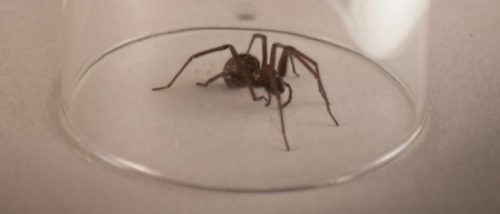
Environmental clues and unusual activity
Sometimes, the signs of a spider problem aren’t limited to webs or sightings. Certain environmental conditions or unusual activity can point to an underlying infestation.
Other insect infestations
Spiders follow their food source, so where there are insects, spiders are likely nearby. A sudden increase in flies, mosquitoes, ants, or other small bugs can attract spiders looking for prey. Eliminating the insects that spiders feed on is one of the most effective ways to reduce spider populations. Professional pest control can help target these food sources and prevent spiders from settling in.
Unexplained bites on people or pets
Most spiders are not aggressive and rarely bite, but in some cases, bites may occur accidentally, often when a spider becomes trapped against the skin. Unexplained small red bumps or mild swelling could be the result of a spider encounter, especially if other signs, such as webs or molted shells, are present nearby. If you or your pets experience frequent bites without a clear cause, it’s worth investigating for hidden pests.
Spider activity near lights
Outdoor and indoor lights can attract flying insects, which in turn attract spiders looking for an easy meal. You may notice webs built near porch lights, outdoor fixtures, or windows that face bright areas. Spiders often return to these locations night after night because the light continuously draws new prey.
Switching to yellow or sodium vapor bulbs can reduce insect activity around lights, which helps limit spider presence as well. Keeping exterior lights off when not needed is another simple way to discourage both insects and the spiders that follow them.