Temps and termites are on the rise. Schedule your free inspection today.

800-837-5520 Call us for a free quote Contact us

Spider bites are a real concern for parents of young children and families that keep pets. While most spiders in the U.S. are not dangerous to humans, there are a few venomous spiders that can pose health risks, and bites usually happen when a spider feels threatened, not because it’s aggressive.

If you have been noticing a lot of spiders around your home and property and are worried about spider bites to pets, family, or yourself, then call our spider removal services today.

Are spider bites in the U.S. dangerous?

Most spider bites in the U.S. are not dangerous and cause only mild symptoms. However, bites from certain species of venomous spiders, like the black widow or brown recluse, can be more serious. These bites may cause severe pain, muscle cramps, elevated blood pressure, or allergic reactions. While dangerous bites are rare, it’s important to seek medical advice after a spider bite. Children, older adults, and people with existing health issues may be more sensitive to venom.

What do spider bites look like?

Spider bites can vary in appearance depending on the type of spider. In many cases, the bite area looks like a small bump or blister, and you may notice mild swelling and redness. Some venomous spider bites may show more distinct symptoms:

  • A black widow spider bite may leave visible fang marks and cause redness or swelling. The skin around the bite area might feel firm or warm.
  • A brown recluse spider bite can cause a blister or ulcer, and the skin may turn red or necrotic (begin to rot). This type of bite may spread if not treated.

If you think that you may have been bitten by a venomous species, or are unsure, seek medical advice.

Spider bite symptoms

The symptoms of a spider bite vary depending on the species, your sensitivity to venom, and other health factors. Some bites go unnoticed, while others lead to more severe reactions. Mild, moderate, and severe symptoms are all possible.

Most spider bites cause mild symptoms that are not medically serious. These usually go away on their own and may not need any treatment beyond basic care at home.

  • Itching at the bite area.
  • Minor swelling or redness.
  • Slight pain or irritation.
  • Small blister that heals quickly.

These reactions are common with most insect or arachnid bites and usually go away within a few days.

Some spider bites can lead to moderate symptoms that cause more discomfort. These reactions may still be manageable at home, but it's smart to monitor them closely.

  • Increasing pain or burning at the site.
  • Muscle pain or cramping near the bite area.
  • Nausea or vomiting.
  • Headache or dizziness.
  • Fatigue.

These symptoms may suggest a venomous spider was involved. If you notice any of these, contact a healthcare provider.

In rare cases, spider bites can trigger severe reactions. These may be caused by venomous spiders like the black widow or brown recluse, and they require immediate medical care.

  • Intense muscle spasms or full-body cramps.
  • Trouble breathing or signs of anaphylaxis.
  • Spreading ulcer or necrosis from the bite.
  • High fever or chills.
  • Rapid heart rate.

Seek urgent medical care if you or someone you know shows signs of a serious reaction to a spider bite.

Struggling with spiders?

Call now to book your free inspection.

How to prevent spider bites in your home and yard

Keeping spiders out of your home starts with simple steps that reduce hiding spots and access points. While most spider bites aren't dangerous, limiting contact with arachnids can help lower your risk of encountering spiders. 

  • Keep storage areas, sheds, attics, crawl spaces, and woodpiles tidy and free from clutter. Always wear thick gloves when working in these areas.
  • Shake out shoes, gloves, and clothing before use, especially if stored in garages or basements.
  • Inspect firewood and any patio furniture you may bring in for the winter.
  • Seal gaps around doors, windows, and foundations.
  • Remove insects, which are a food source for spiders.
  • Consider professional pest control for continued prevention.

Ask us about professional pest control to help protect your family and home.

Spider bites in the United States

While most spiders in the U.S. are harmless, there are a few venomous spiders that can pose serious health concerns. Understanding which spider bites are dangerous can help you act quickly and responsibly.

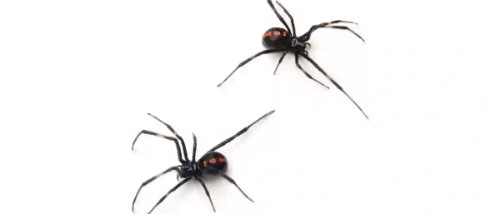
Two black widow spiders, with distinct red markings on their abdomens

Black widow spider bites

The red hourglass marking on their abdomen makes these spiders easily recognizable.

  • Adult black widow spiders are not naturally aggressive towards people.
  • They only bite as a defensive measure if they feel threatened.
  • Most defensive bites to people occur when the spider is unintentionally squeezed or pinched.
  • Bites may result in localized pain, tingling and small swelling around the bite.
  • Occasionally more serious symptoms can occur but are usually an exceptional reaction of the individual to the spider’s venom.
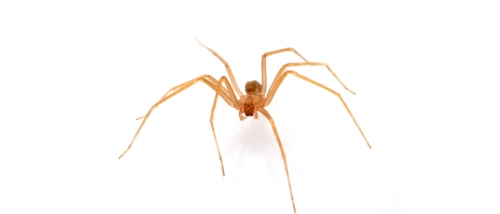
A brown recluse spider, light brown, with a small body and long legs, against a white background

Brown recluse spider bites

Often identified by the violin-shaped mark on their backs, they only bite when crushed, handled or disturbed. Both sexes are venomous.

  • Reactions to bites will vary - some people are unaffected, others may feel a pinprick, others a stinging sensation followed by intense pain.
  • Some people may not be aware of the bite for 2 to 8 hours.
  • Tend to bite when disturbed, such as during cleaning or moving items.
  • Some develop serious reactions, including a spreading ulcer or necrotic tissue.
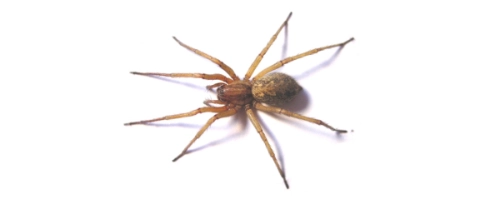
A hobo spider, brown, with a large abdomen and darker-colored head, against a white background

Hobo spider bites

Hobo spiders are usually found in dark places. While their bites are often debated in terms of seriousness, they are now considered largely harmless.

  • Hobo spiders can be found in places that have cracks and crevices where they can hide. 
  • Hobo spiders are poor climbers and most commonly found in basements and cellars. 
  • Male hobo spiders are responsible for more bites as they wander into buildings during their early-autumn mating season. 
  • Circumstantial evidence suggests the bite of male hobo spiders is more toxic than females. 
  • Hobo spiders are most commonly encountered in Northwestern states in the U.S. but are rapidly expanding their range in recent years.
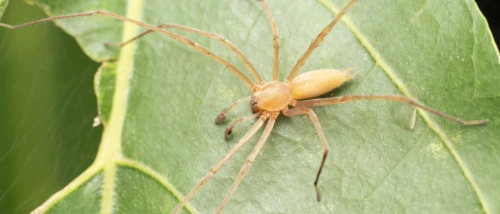
A yellow sac spider on a green leaf

Yellow sac spider bites

These small, pale spiders are active hunters and may bite. 

  • Usually bite if trapped against the skin, like inside clothing or bedding
  • Can cause: mild to moderate pain, redness and slight swelling, possible itching or blister at the bite site.
  • Bites are rarely serious, but should still be monitored

Common harmless spiders in the US

In addition to potentially dangerous spiders, there are many commonly encountered spider species whose bites are not considered medically important. Spiders with non-serious bites in the U.S. include house spiders, cellar spiders, daddy long-legs, wolf spiders and many more.

These arachnids may still appear alarming, but their bites are not harmful to humans. If you are concerned about any kind of spider, our pest control experts are here to help.

Are you worried about spider bites?

Spotting spiders in your home or business can be unsettling. While many are harmless, venomous spiders like the brown recluse and black widow can be a concern.

If you’ve noticed signs of spiders and want help reducing your risk of a bite, contact us. Our technicians offer professional spider removal services as part of our residential and commercial pest control services.

Frequently asked questions about spider bites

A spider bite may feel like a mild sting, a quick pinprick, or sometimes nothing at all. The level of pain depends on the type of spider and its venom.

Yes, spider bites often cause itching, which usually fades within a few days. If the bite area becomes very itchy or irritated, it’s a good idea to speak with a doctor.

Most spider bites clear up in a few days to a week.

Some venomous spiders can cause symptoms like nausea, fever, or even vomiting. How sick you get depends on the bite, the venom, and your body’s reaction. Always seek medical attention if you think that you may have been bitten by a venomous spider, or are concerned about your symptoms.

Find your local branch

If you are seeing a lot of spiders you might have a spider infestation. Learn more about it here.