Temps and termites are on the rise. Schedule your free inspection today.

800-837-5520 Call us for a free quote Contact us

Identifying types of moths

Moths may look small and harmless, but some species can cause surprising damage to clothing, carpets, textiles, and stored products in general.

In the U.S. there are a few species of moth in particular that can cause problems in your home or business. For more information, please see our moth control page.

What is a moth?

Moths are insects in the same order as butterflies. They have large wings with scales on them and go through four life stages: egg, larva, pupa, and adult. Moth larvae are known as caterpillars, and it is these larvae that cause the most damage to fabrics and food. 

Keep reading to learn about the different types of moths you might see in your home.

Don't waste time, book a treatment now with one of our experts

How to identify common moth species

When it comes to identifying types of moths, it helps to know what signs to look for: they differ in size, markings, and the damage they cause. Many indoor moth species stay hidden in dark areas and may only be spotted by the damage they leave behind. You might notice small holes in your clothing, frayed carpets, or food packages with moth larvae inside. Let’s take a closer look at the most common species found in U. S. homes.

brown house moth control

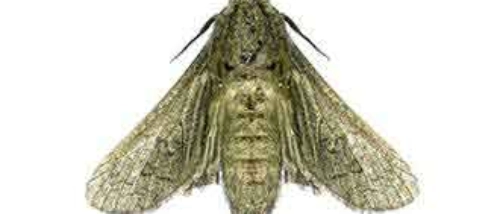
Brown house moth

(Hofmannophila pseudospretella)

The brown house moth is one of the most common clothes moths found indoors. These moths are scavengers, and their larvae can damage fabrics, especially those made from animal products like wool or feathers.

Appearance

  • Adult — 6 - 8mm long.
  • Dark buff forewings with three faint spots (may appear as two).
  • Larvae — up to 10 mm long.  Creamy white in color.

Lifecycle

  • Similar to the common clothes moth.

Habits

  • More rare than the common clothes moth. Check imported goods such as hides or objects of animal origin.
Get rid of moths
white-shouldered house moth

White-shouldered house moth

(Endrosis sarcitrella)

These moths are typically less harmful to fabrics, but they can still be a nuisance. They often settle in outbuildings or cooler parts of the home.

Appearance

  • Adult — 6 to 10mm long.
  • White head with mottled wings.
  • Larvae— up to 12mm long.  Cream colored larvae with red-brown heads.
  • Pupa — in a silk cocoon.

Lifecycle

  • Normally one generation per year.

Habits

  • Often found in unheated outdoor buildings.
  • Larvae scavenge on a wide range of foods.
Get rid of moths

Struggling with moths?

Call now to book your free inspection.

Other moth types

Here are some other types of moths you might come across. These moths are still considered household pests, especially when they invade storage areas or feed on textiles.

Wool moths

Wool moths are a common name for various clothes moths that target woolen fabrics. Their larvae feed on natural fibers and can leave large areas of damage on clothing or upholstery. If you're unsure how to get rid of wool moths, it may be time to call the professionals.


Carpet moths

Carpet moths can cause damage to rugs and carpets made from wool or other animal fibers. Their larvae feed beneath the surface, often unnoticed until visible damage appears. Regular vacuuming and steam cleaning may help, but a technician should assess larger infestations.

Garden moths

Garden moths are outdoor moth species, often attracted to light or plant material. While not typically harmful indoors, some species lay eggs near entry points or plants close to the home. Keeping outdoor areas tidy and sealing cracks can help keep these pests out.

Moth vs. butterfly

It can be difficult to distinguish a moth from a butterfly, but observing the antennae can help. The antennae of a butterfly are shaped like clubs. Butterflies are also usually bigger than moths with wings that have more color (although moths can still be colorful). In addition, moths commonly fly at night but butterflies commonly fly during the day.

Frequently asked pest control questions

You may see moths because they’ve found a food source, such as stored food or fabrics. Moth eggs and larvae are often hidden in dark, undisturbed places like closets, pantries, or under furniture. If you're noticing signs of damage or spotting moths regularly, it may be time for an inspection from one of our technicians.

The most common house moth in the U.S. is the common clothes moth (Tineola bisselliella), known for damaging wool and other natural fibers. Our technicians often come across this moth in closets, wardrobes, and storage boxes.

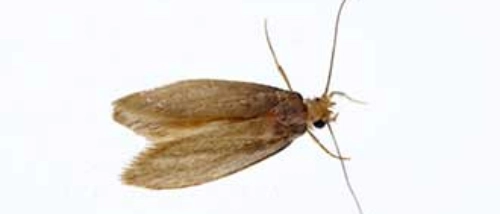
Clothes moths have narrow, straw-colored wings with fringed edges and avoid light. Pantry moths have darker forewings with a coppery tint and are more active around light sources and food packaging. 

Common moth types in North America include the common clothes moth, case-bearing clothes moth, brown house moth, hawk moth, and white-shouldered house moth. 

Grain moths (a type of food moth) target grains and pantry foods. Clothes moths feed on fabrics, especially those made from animal-based fibers like wool or silk. If you're unsure which you're dealing with, we can identify the species and advise on next steps.

Find your local branch

Discover the benefits of working with Ehrlich.