Habitat, diet, life cycle & bites
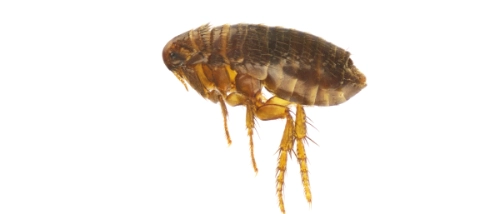
Cat fleas thrive in warm, humid environments, infesting pets and homes. They rely on blood for nourishment, with larvae feeding on organic debris. Understanding their life cycle and the impact of their bites is essential for effective flea control.
Where do cat fleas live?
Cat fleas thrive in warm, humid environments and can be found on your cat (as well as on dogs and other animals), in bedding, and around your home, especially in carpets and upholstery. Even indoor cats are not immune, as fleas can enter on clothing, other pets, wildlife, or through open doors and windows.
Diet
Adult fleas rely on the blood of their hosts for nourishment, while flea larvae feed on organic debris, such as flea feces and dried blood, found in their surroundings. Female fleas consume their body weight in blood several times daily, which fuels their ability to lay up to 4 to 8 eggs after each blood meal, leading to hundreds of eggs over their lifetime.
Life cycle
The flea life cycle includes four stages: egg, larva, pupa, and adult. Female fleas lay flea eggs on their host, which then fall off into the environment. Flea larvae hatch from eggs and feed on flea feces before developing into pupae, where they remain in a cocoon until conditions are ideal for emerging as adult fleas. Under favorable conditions, the life cycle can be completed in as little as two weeks.
Bites
Flea bites often cause redness and irritation on cats, especially around the base of the tail and neck. Some cats may develop an allergy to flea saliva, known as flea allergy dermatitis, which can lead to excessive itching, sores, and hair loss.