Habitat, diet, life cycle and bites
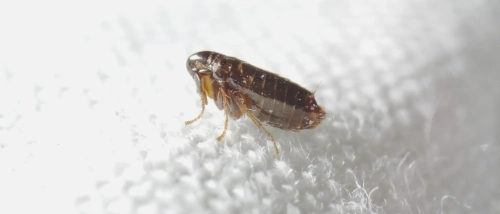
Bird fleas have specific habitat preferences, dietary needs, and a distinct life cycle that all play a role in understanding how to control them.
Where do bird fleas live?
Bird fleas typically inhabit the nests of wild birds, such as sparrows, but they may also spread to nearby locations where they can find new hosts, including pet beds, bird cages, and even household carpets. Regular cleaning of these areas can help prevent flea build-up.
Diet
Bird fleas primarily feed on the blood of their hosts. They target various bird species, mammals, and occasionally humans. They are especially drawn to pet birds and wild birds but may also feed on other available mammals in a shared environment.
Life cycle
The life cycle of a bird flea includes egg, larva, pupa, and adult stages. Female fleas lay eggs in or near bird nests, which hatch into larvae and feed on organic debris within the nest. After pupation, adult fleas emerge and seek a new host to feed on, typically returning to bird nests or moving on to other nearby animals or humans.
Bites
Bird flea bites can cause itching, irritation, and in some cases, allergic reactions. Their bites often leave small red spots on the skin, and scratching these bites can lead to further irritation or infection. Both birds and humans are at risk of experiencing discomfort from bird flea bites, especially during periods of infestation.