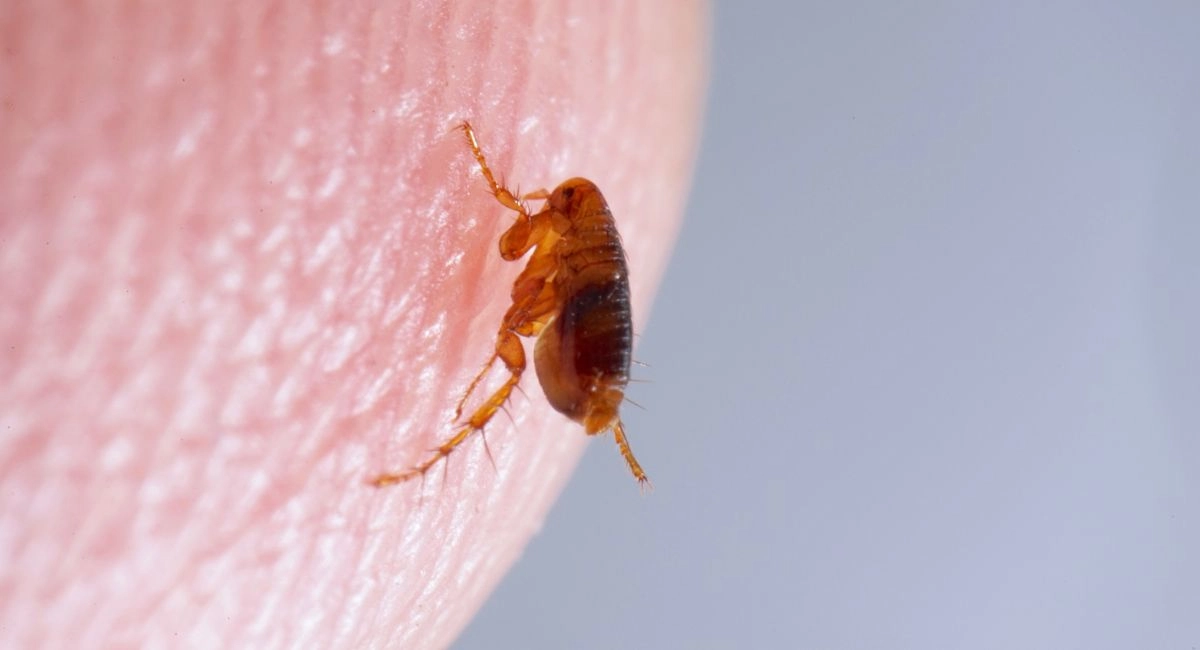
Identifying signs of fleas in the house early can help in controlling the infestation. Fleas go through several life stages, from egg to larva, then pupa, and finally adult, so knowing where and what to look for can help you detect their presence.
Flea activity in carpets and furniture
Even if you don't spot fleas directly, there may still be signs of their presence in common household areas. Check for small dark specks on soft surfaces—this might be flea dirt. You might also notice that pets avoid certain areas, or that you're getting itchy after sitting on upholstered furniture.
Vacuuming carpets and washing furniture covers regularly can help reduce flea numbers, but these steps may only offer short-term relief. If you're noticing ongoing signs of fleas in your bed or other living spaces, professional treatment is recommended to address the full infestation and help protect your home.
Flea eggs and larvae around the house
Flea eggs and larvae are often hidden in cozy spots throughout your home. Female fleas lay tiny, oval-shaped eggs (about 0.5mm long) on your pet’s body, but these eggs don’t stay there; they easily fall off and settle into the places your pets frequent, like bedding, carpets, and furniture crevices. Due to their white color, flea eggs blend into rough surfaces, making them almost impossible to see.
Flea larvae, small and whitish, also tend to burrow deep within carpets, blankets, and upholstery, avoiding light as they develop. Regularly checking these areas can help you identify the early stages of an infestation before adult fleas start causing more noticeable issues.
If you have spotted any eggs, larvae, or other signs of fleas in the house, call Ehrlich free at 800-837-5520 and book an inspection.
Flea bites on humans: how to identify them
While fleas often prefer animals, they can bite humans as well, typically on the ankles and legs. Flea bites are small and red and may appear in clusters. Flea bites usually stay small and can cause intense itching and irritation. But without seeing the flea bite, it’s almost impossible to determine the cause of the bite. To help determine whether fleas are biting you, it can help to have a pest control technician inspect your home or business.
Are fleas hiding in your bed? How to spot the signs
If you're waking up with bites or noticing signs of fleas in your bed, it's worth inspecting your sleeping area. Look closely at the seams of your mattress and in the folds of blankets for tiny dark specks or movement. Fleas or their droppings might be present, especially if your pet sleeps in your bed. Even without visible bugs, consistent itchy patches or irritation after sleeping could point to an issue.
Spotting adult fleas in your environment
Adult fleas are tiny, reddish-brown insects with oval-shaped bodies, often visible on your pet’s fur or around your home. Adult fleas may also be seen on carpets, pet bedding, or furniture. If you notice small, fast-moving bugs or see small, black specks (flea dirt or flea feces), there’s a good chance fleas have moved in. Flea dirt turns red when dampened with soapy water due to the blood it contains.
Sometimes, it’s easy to think you’ve got rid of fleas in your home when you haven’t. This is because flea eggs are very difficult to spot.