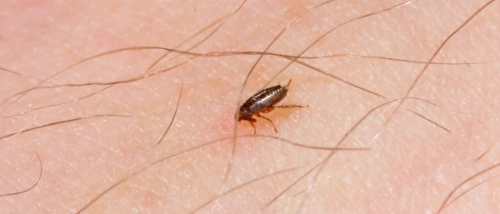
Habitat, diet, life cycle and bites
Human fleas thrive in warm, humid environments like homes, bedding, and upholstery, often near humans and pets. Their life cycle enables them to reproduce quickly, while their bites cause itching and irritation, sometimes leading to allergic reactions.
Where do human fleas live?
Human fleas can be found in various environments, including homes, animal bedding, and upholstery. They prefer warm, humid conditions and often hide in areas where pets and humans spend a lot of time. Human fleas can also be found on other animals like dogs, cats, and wildlife, making it essential to check your pets and home environment.
Diet
Adult fleas feed on the blood of their hosts, including humans and animals, for survival and reproduction (as female fleas need a blood meal before they can lay viable eggs). Their biting can cause discomfort and skin irritation. Human fleas can survive for months without a blood meal, making it necessary to treat all areas thoroughly during flea control treatments.
Life cycle
Human fleas undergo four life stages: egg, larva, pupa, and adult. Female fleas lay tiny white eggs, which fall into carpets, cracks, and bedding. These eggs hatch into larvae, which feed on organic matter before turning into pupae. Pupae eventually emerge as adult fleas, ready to feed and reproduce. Depending on environmental conditions, the life cycle can take several weeks to several months.
Bites
Flea bites are typically itchy, small red bumps that can appear on the ankles, legs, or any exposed skin. Some people may experience an allergic reaction to flea bites, leading to increased itching, swelling, and even blistering.