Temps and termites are on the rise. Schedule your free inspection today.

800-837-5520 Call us for a free quote Contact us

Termite mud tubes: identification and facts

Ever wondered how termites travel to and from their colony? They're master builders, and their secret weapon is the mud tube.

While different species create these, you'll most often see them from subterranean termites. They build these pencil-sized tunnels to get from their home in the ground to a tasty wood source, like the wood in your house.

Crafted from soil, saliva, and wood, mud tubes (also known as termite mud nests or tunnels) are more than just tunnels. These mud tubes protect termites from predators and keep them from drying out. If you spot one, it's a huge sign that termites are active nearby.

What are termite mud tubes?

Termite mud tubes are narrow, tunnel-like structures that termites build to move between their nest in the soil and the wood they feed on. They protect the termites from dry air and predators, while keeping the colony connected to its food source.

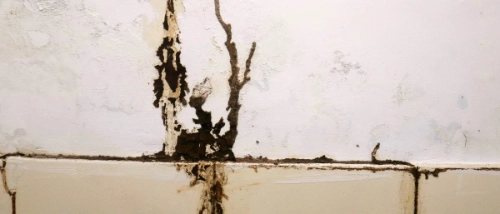
Mud tubes can run along foundations, walls, beams, and even behind baseboards or inside crawlspaces. Some tubes are hidden inside hard-to-reach areas, making regular inspections an important part of catching activity early.

What do termite mud tubes look like?

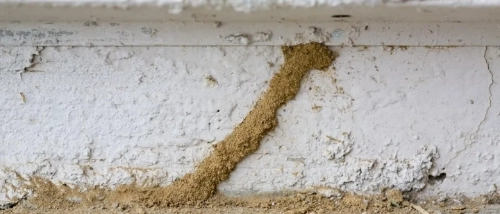
Mud tubes are usually about the width of a pencil but can grow larger depending on the colony size and age. They are earth-colored and blend in with concrete, soil, or wood.

  • On exterior walls or foundations, they may look like thin brown lines climbing upward.
  • Inside crawlspaces or basements, they can be found along joists, beams, and sills.
  • Indoors, they sometimes appear behind baseboards, window frames, or flooring.

Even if a tube looks old or empty, it’s still a red flag; termites often abandon tunnels and build new ones elsewhere.

Seeing termites?

Call now to book your free inspection.

Types of termite tubes

Subterranean termites build different types of mud tubes for specific purposes, and finding any kind of termite mud tube inside your house or yard is a strong sign of infestation.

A termite queen and a worker termite

Working tubes

Also known as utility tubes, these are the main highways of a subterranean colony. Termites use them daily to move workers, soldiers, and food between the nest and the wood they feed on. 

These tubes are sturdier, usually ¼ to 1 inch wide, and may run along foundation walls, joists, and other structural areas of a home.

A termite mud tube

Exploratory tubes

Exploratory tubes are thin, fragile structures that termites build when searching for new food sources. They may climb up walls or other surfaces, but often don’t connect to wood. 

Even if abandoned, these termite tunnels prove the pests are nearby.

Swarm castles (swarm tubes)

When it’s time for winged termites to leave the nest and start new colonies, workers build large protective chambers called swarm castles. These structures shelter delicate swarmers until they are ready to fly. 

Some swarm castles can be several feet wide and filled with hundreds of future alates.


Drop tubes

These extend downward from wood to the ground, looking like stalagmites in a cave. Their purpose is to reconnect the food source above with the soil and colony below. 

They’re typically lighter in color than other tubes, likely because they contain more wood fibers.


How to tell if a termite mud tube is active

Fresh mud tubes tend to look moist and are darker in color. Older termite tunnels may look dry or brittle but can still indicate nearby activity. Subterranean termites often build multiple tubes at once, abandoning some as they create new pathways.

Because activity isn’t always obvious, if you see a termite mud tube on your property,  it’s best to book a professional inspection right away. Your local Ehrlich termite technician can determine if the tubes are active and recommend next steps for termite treatment.
Signs of infestation beyond mud tubes

Mud tubes are one of the most recognizable termite signs, but they’re not the only one. If you suspect you have termites, you should also watch for:

  • Wood that sounds hollow when tapped
  • Discarded wings near windows or door
  • Cracked or bubbling paint that may cover termite damage
  • Warped wood or windows and doors that no longer open easily.

Together, these signs can indicate that termites are active, even if mud tubes aren’t immediately visible. Learn more about spotting signs of termites in and around your property and how to identify which termite species you may be dealing with.

Identifying termite damage in your home

Unfortunately, damage from termites can develop quietly, as these insects eat wood from the inside out. So, at first, the surface may look normal, but over time, the wood becomes weak and hollow. Mud tubes themselves don’t damage wood, but they allow termites to travel back and forth from the soil to their food source. Over time, this hidden movement can lead to significant structural damage. 

Subfloors, window frames, and support beams are especially vulnerable. Floors may begin to sag or feel spongy when walked on. Paint or wallpaper might bubble, peel, or crack as moisture from termite activity builds up underneath. Wooden trim, doors, and windows can warp, making them harder to open or close.

Subfloors are especially vulnerable because they sit close to the ground, where subterranean termites build their nests. Termites often attack the wood beneath flooring first, hollowing out joists and panels before signs become visible above. As the damage worsens, floors may start to sag or feel springy underfoot. 

You might also hear squeaks as boards shift or notice small gaps opening between the floor and walls. In severe cases, the finished flooring, whether carpet, hardwood, or tile, can buckle or pull away from its base.

Windows and doors are common trouble spots because their wooden frames are exposed to outdoor moisture, making them attractive to termites. As termites tunnel through the wood, they carry moisture with them, which can cause the frame to swell and warp. 

You may notice that windows become difficult to open or close or that doors stick in their frames. Over time, the wood may weaken so much that the frame feels soft to the touch or crumbles when pressed.

Inside walls, termites can travel through studs, baseboards, and crown molding. Because these areas are often painted or finished, the first signs may be bubbling or cracked paint. Tap on the surface and you may hear a hollow sound, a clue that the wood beneath has been eaten away. 

Termites can also leave faint lines or blistering patterns under paint or wallpaper as they tunnel close to the surface.

Support beams and joists are critical parts of a home’s structure, but termites see them as a steady food source. Since these wooden elements are often hidden in basements, crawlspaces, or attics, the damage can advance unnoticed. 

Over time, beams may weaken, threatening the strength of the structure. In advanced infestations, termites can compromise multiple load-bearing elements, leading to costly repairs.

Termite-damaged wood vs. rotted wood

It can be easy to confuse termite damage with wood rot since both cause wood to weaken and break apart. But there are some key differences:

  • Termite-damaged wood is usually hollowed out in long, winding patterns called galleries. The surface may look intact, but inside you’ll see tunnels lined with mud or soil left behind by termites. Damaged areas often sound hollow when tapped and may break apart into thin layers.
  • Rotted wood is caused by moisture and fungal decay. Instead of tunnels, the wood feels soft, spongy, or crumbly throughout. It often has a darker color, may smell musty, and will flake or break apart in irregular chunks rather than in layered sheets.

Crumbled wood damage from termites

Rotted wood from excess moisture

While rotted wood is the result of excess moisture, termite damage is caused by insects feeding on cellulose. Sometimes the two can occur together, since termites are drawn to damp, decaying wood. If you’re unsure, or suspect signs of termite damage in your home, book a free termite inspection with your local Ehrlich technician to help you confirm.

Schedule your free termite inspection with Ehrlich

Finding mud tubes in or around your home is one of the clearest signs that subterranean termites may be present. Left untreated, these pests can cause costly structural damage over time. An Ehrlich inspection can confirm whether termite activity is happening and what treatment plan is right for your home. Our trained technicians will:

  • Look for mud tubes in your home
  • Identify the type of termite present
  • Recommend a treatment plan tailored to your situation.

Don’t wait for termites to spread through your building. Schedule your free termite inspection with Ehrlich today and take the first step toward protecting your property.

Termite resources:

Learn what a queen termite looks like, her role, lifespan, and how colonies grow under her leadership.

Find out the most effective ways to deal with termites and help protect your home from costly damage.

Have a pest problem? From termites to rodents, Ehrlich technicians share expert answers to your most common questions.

Find your local branch

Start living pest-free today with PestFree365+. Ehrlich Pest Control protects your home from 39 different pests for the ultimate peace of mind.