Temps and termites are on the rise. Schedule your free inspection today.

800-837-5520 Call us for a free quote Contact us

How to identify termite larvae

Every termite colony begins with eggs, which hatch into larvae that are sometimes called “baby termites” or, more colloquially, “termite maggots”.  While termite larvae don’t eat wood, they play a critical role in the growth and survival of the colony. 

Understanding what termite larvae look like, how they develop, and their role in an infestation can help you recognize early warning signs of termite activity in your home or business.

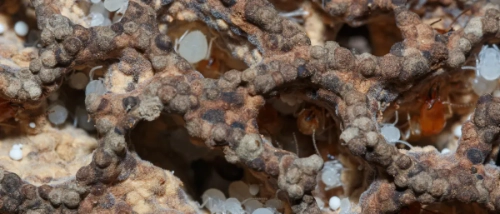
A termite colony nest with termite larvae

What do termite larvae look like?

Termite larvae are extremely small and resemble tiny, pale versions of adult termites. They are soft-bodied, whitish in color, and about the same size as the eggs they hatch from. Because they look so similar to workers, larvae are often difficult for homeowners to identify without close inspection.

In most cases, you’ll find larvae hidden deep inside the colony, being cared for and fed by worker termites. Spotting them directly is rare, which is why termite inspections typically focus on signs of termite activity rather than the larvae themselves.

What do termite larvae eat?

Baby termites cannot feed themselves. Instead, worker termites break down cellulose, which is the main component of wood, paper, and plant matter, and pass it to the larvae. This means that while the larvae don’t directly damage wood, their survival depends entirely on the foraging and feeding of worker termites.

Over time, larvae mature and take on new roles within the colony, eventually becoming the workers and soldiers responsible for consuming wood and defending the nest.

Seeing termites?

Call now to book your free inspection.

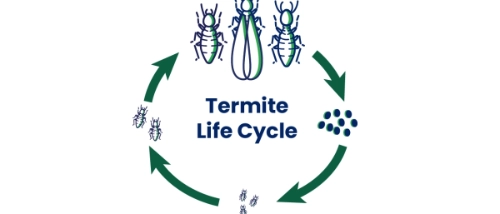
Termite life cycle

The termite life cycle: From egg to adult

Like other insects with gradual development, termites go through a simple life cycle: egg → larva → nymph → adult. 

But what makes termites unique is that not every larva grows into the same type of adult. Instead, the colony controls how larvae develop, depending on what the group needs most at the time.

Below is a closer look at each stage in their development, and how larvae help a termite colony survive and grow.

When termite eggs hatch, the tiny larvae are completely helpless. Worker termites feed the larvae pre-digested cellulose and groom them to keep them healthy. During this period, the larvae grow and eventually molt, shedding their soft exoskeleton so they can continue developing.

After molting, larvae don’t all follow the same path. Instead, they are directed by chemical signals from the queen and king. Some remain on track to become workers, while others may start developing into soldiers or even reproductives.

Because every colony needs a large workforce, most termite larvae turn into workers. These are the termites responsible for feeding others, caring for the young, and building mud tubes and tunnels. Without a strong worker population, the colony cannot grow or survive.

Some larvae develop wing buds and become nymphs, which are the immature stage of future reproductive termites. Over time, nymphs may grow into alates (the winged swarmers that leave the colony to start new ones) or secondary reproductives, which help the queen lay more eggs and expand the colony faster.

Termite larvae and young nymphs are highly adaptable. If the colony suddenly needs more defense, some can molt into soldiers. If more egg-laying capacity is needed, others can shift into reproductive roles. This flexibility allows a colony to quickly respond to threats or shortages, and maintain balance.

This system of guided development is one reason termite infestations are so successful. The termite queen doesn’t just produce eggs; she and the king release pheromones that control how larvae mature, ensuring the colony always has the right balance of workers, soldiers, and reproductives to keep it growing.

Do termite larvae cause damage?

On their own, termite babies do not eat wood or cause structural damage. However, because they rely on workers for food, their presence means the colony is growing and will soon have more workers consuming cellulose. 

In other words, finding larvae is a sign of an active and expanding infestation. Over time, termite growth can lead to significant damage to your wooden structures, flooring, and even furniture if the colony is not controlled.

How to get rid of termite larvae

Since larvae cannot survive without the workers that feed them, eliminating the colony is the only way to get rid of them. DIY treatments rarely reach deep enough into the nest to affect larvae hidden inside walls, soil, or wood.

Professional termite control targets the entire colony, from workers and soldiers to reproductives and larvae, to reduce activity and protect your property. Your local Ehrlich termite technician can help identify the type of termite, locate the colony, and recommend the most effective treatment plan for your property.

Schedule your free termite inspection with Ehrlich

If you think you’ve seen signs of termite activity, don’t wait. Even though larvae don’t directly damage wood, their presence signals that the colony is growing. Left untreated, termites can cause costly damage over time. Our trained technicians will confirm whether termites are present, assess the level of termite activity, and provide a tailored plan to help protect your home. 

Click the button below to schedule your free inspection with us today.

Termite resources:

Learn how to identify termite mud tubes, why they form, and the signs that may indicate an active infestation in your home.

Knowing what termite eggs look like can help you understand how colonies grow and why early detection of termite activity is so important.

Have a pest problem? From termites to rodents, Ehrlich technicians share expert answers to your most common questions.

Find your local branch

Start living pest-free today with PestFree365+. Ehrlich Pest Control protects your home from 39 different pests for the ultimate peace of mind.