Temps and termites are on the rise. Schedule your free inspection today.

800-837-5520 Call us for a free quote Contact us

The danger of kissing bugs

The media is often filled with news stories about “kissing bugs” and their link to Chagas Disease, often suggesting they have suddenly “invaded” the U.S. This can give the false impression that these insects are new here, when in fact they have been present for many years.

While headlines about invading insects grab attention, the reality is that kissing bugs have long existed in parts of the United States, and kissing bug dangers and cases of Chagas disease remain rare. Although uncommon, these insects can still appear around homes and businesses.

If you are concerned about kissing bugs or other occasional invaders, Ehrlich offers professional inspection, removal, and prevention services to protect your property.

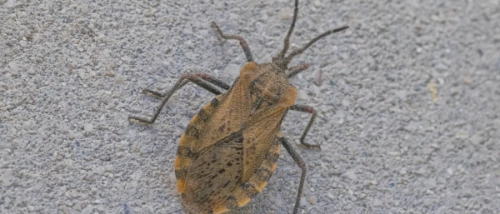
A kissing bug, with a sand-colored body, six legs, and prominent mouthparts

What is a kissing bug?

A kissing bug, or assassin bug, is a blood-feeding insect. They are nocturnal, preferring to feed at night. They got their name from the perceived tendency to “kiss” their hosts during the night in order to drink their blood. To accomplish the blood-feed, the kissing bug has long, beak-like mouthparts that pierce the skin and allow for the blood to flow. They have a tendency to find spots near their victim’s face.

Kissing bugs are dark colored and oval-shaped, and are typically half an inch to one inch in length. The beak they use for feeding is very prominent and noticeable if you see one.

In the wild, kissing bugs like to find homes in abandoned rodent nests. In some areas, they like to hide in outlying structures like chicken coops and stables. They enter dwellings to look for warm-blooded creatures to feed on, including humans. They are most common in areas where homes have thatched roofs or use palm leaves or adobe to construct the home.

The kissing bug is most common in warmer climates and found in South or Central America or Mexico. However, they are not uncommon in the warmer areas of the United States and have been documented in 32 states.

Struggling with kissing bugs?

Call now to book your free inspection.

What is Chagas disease?

Chagas disease, also called American trypanosomiasis, is caused by the parasite Trypanosoma cruzi. It is mainly spread by kissing bugs and other triatomine bugs in the family Reduviidae. Early infection is often unnoticed because the symptoms can be mild or absent.

Kissing bugs become infected when they take a blood meal from infected people or wild animals, and can transmit the disease to humans through biting. During feeding, kissing bugs sometimes defecate near the bite, and the t. cruzi parasite can enter the body if the waste is rubbed into the wound or eyes. 

In the acute phase, symptoms may include swelling at the bite site, fever, and swollen lymph nodes. Over time, some infections can move into a chronic phase, which can cause lasting heart or digestive problems decades later. Severe cases may lead to conditions such as megacolon or heart failure.

If you’ve been bitten by a kissing bug, or any insect or animal, and you’re worried about symptoms, speak to your healthcare provider immediately.
What can be done about kissing bugs?

The best thing that you can do is avoid kissing bugs. Although the dangers linked to illnesses like Chagas disease are rare and the chance of catching it in the United States is very low, it’s best to use preventive methods to eliminate the risk entirely.

These methods include:

  • Sealing up cracks and crevices that kissing bugs can use to gain access
  • Putting screens on windows and doors, and making sure they are not torn
  • Getting rid of debris, wood piles, rock piles, and other things the bugs can use for nesting
  • Change out the porch lights from white bulbs that attract nocturnal insects to yellow ones
  • Make sure that the pet areas you have outdoors are kept clean
  • Keep your grass mowed and vegetation away from your home

Regular residential pest control from Ehrlich can help ensure entry points are sealed and attractants are removed. For businesses, our commercial pest control technicians understand the complexities and regulatory requirements of a wide range of sectors, and can help with long-term pest control and maintenance.

It’s important to know

In the United States, kissing bugs are more likely to remain outdoors and are less often found inside homes. The species found here, such as Triatoma sanguisuga and Triatoma protracta, usually defecate after moving away from a host. This behavior lowers the chance of passing on the t. cruzi parasite compared to the species common in Latin America.

Because of this, the overall risk of contracting Chagas disease from kissing bugs in the U.S. is considered very low. Kissing bugs are established but not new invaders, and following basic preventive steps can greatly reduce the likelihood of problems.

If you have concerns about kissing bugs, call in the professionals at Ehrlich Pest Control; we can help remove these pests and prevent them from returning.

For more information, download and view this PDF for information about kissing bugs and Chagas disease.

Need help with occasional invaders?

If you are worried about kissing bugs around your home or business, Ehrlich can help. Our technicians provide safe removal and prevention solutions for kissing bugs and other occasional invaders, giving you peace of mind and long-term protection.

Frequently asked questions

Yes, kissing bugs can fly. They use their wings to travel at night while looking for a host for a blood meal. This is one reason they can move between outdoor habitats and homes in the southern states.

They are not usually harmful on their own, but they can transmit the t. cruzi parasite that causes American trypanosomiasis. In the U.S., the risk of infection is low because local species often defecate after leaving the host. Still, their bites can cause irritation or an allergic reaction in some people.

Avoid handling them with your bare hands. Keep doors and windows screened, seal cracks, and reduce clutter where triatomines can hide. For ongoing problems, contact Ehrlich for professional inspection, removal, and prevention services.

Find your local branch

Enjoy year-round protection from pests with PestFree365+. Ehrlich Pest Control helps protect your home from 39 different pests for the ultimate peace of mind.