Habitat and nests
Honey bees create nests from wax they secrete, often preferring hidden locations to keep their hive safe. In the wild, they usually nest in hollow logs or trees but may also build nests in attics or chimneys. They are most active during summer and late spring when new queens leave their colonies with thousands of workers to establish new nests.
Behaviors and damage
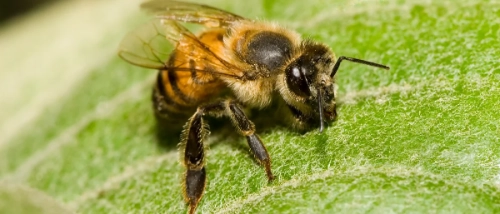
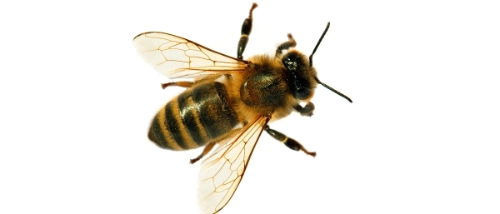
Honey bees are the only social bees with perennial colonies, surviving year after year. Their colonies range from 20,000 to 80,000 members. As key pollinators in agriculture, they gather pollen in specialized "pollen baskets" on their legs while foraging. Honey bees are generally docile, only becoming aggressive if their hive is threatened. Only female workers are capable of stinging and are not likely to sting when foraging for nectar and pollen in the backyard. Honey bees will sting to protect their hive, but each bee can sting only once, and then it dies.
If you are allergic to bee stings, honey bees pose a serious health risk; otherwise, the primary concern is pain from their sting.
Prevention and control
With a thorough inspection of your home or business, our technicians can pinpoint any potential entry points that honey bees may access. Holes that are a quarter of an inch or larger should be sealed, and inspections should be done before swarming season to avoid the establishment of a colony. Swarming season usually begins in May in the Northeast but may start as early as April or even earlier in warmer, southern areas. If you do have a swarm outside your home or business, contact us to have it removed safely.
If you’ve had honey bees in the past, especially in areas that were not easily accessible, you must ensure that all the honeycomb has been removed. This will help to prevent future infestations as pheromones left on the honeycomb may attract future swarms.