© 2026 Rentokil Initial plc and subject to the conditions in the legal statement.
Ehrlich Answers
"When I spot ants in my kitchen, how do I know if they’re just regular ants or the more destructive carpenter ants?"
At first glance, ants may look the same, but there are important differences between carpenter ants and regular ants. Knowing what you’re dealing with can help you understand whether you’re facing a simple nuisance or a potential structural issue.
‘Regular ants’
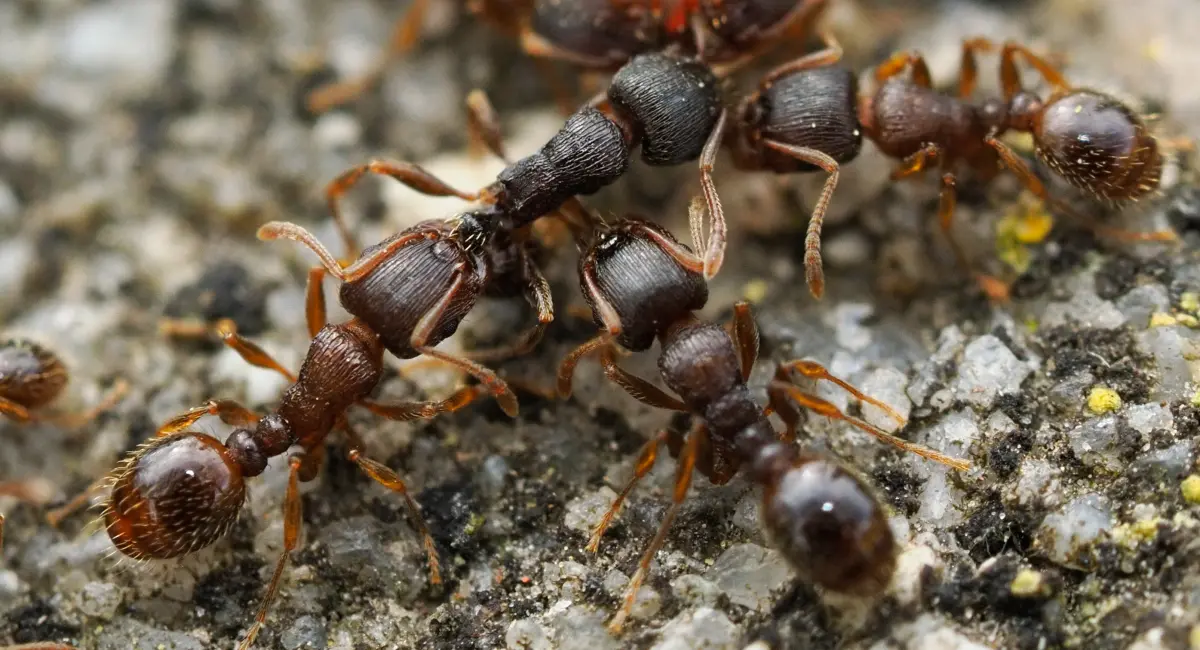
A ‘regular ant’ (such as a pavement ant or odorous house ant) is usually small, ranging from 1/16 to 1/8 of an inch, and can be black, brown, or reddish. They often show up in kitchens or bathrooms looking for food and water. While they can be annoying, they don’t cause damage to your home itself.
Carpenter ants
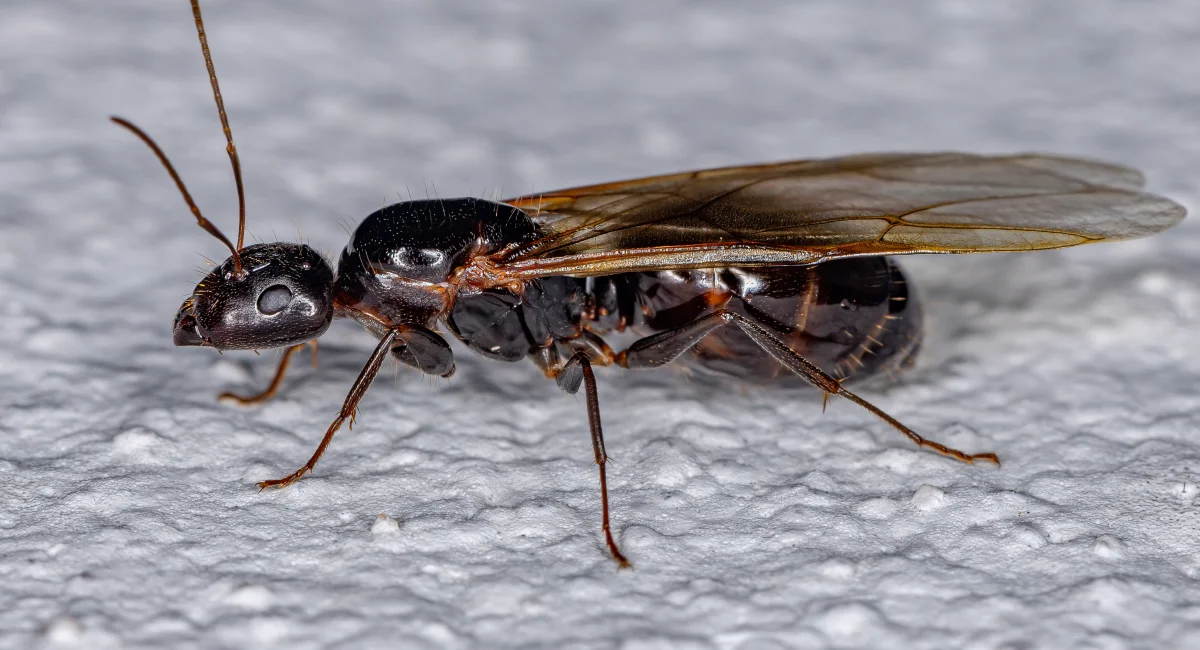
Carpenter ants are typically larger, about one-quarter to half an inch long, and most are black or dark red. Instead of just foraging indoors, they tunnel into damp or decaying wood to build their nests. Over time, this behavior can weaken wooden structures around windows, decks, or basements.
More ways to spot the differences
Another way to spot the difference between carpenter ants and other ants is to monitor their behavior. If you see piles of sawdust-like material (called frass) near walls or woodwork, that’s a sign of carpenter ants. You may also notice winged ants indoors during swarming season, which can signal a nearby colony.
There are things you can do on your own to deal with any ants you may see wandering in your home:
- Regularly keep your house clean and free of food crumbs and spills
- Seal any cracks within your home
- Keep food stored in airtight containers
- Use ant baits in places where you notice the ants are active
It’s important to remember that these methods often only deal with the ants you see and not the hidden colonies. If you’re worried about ants in your home, our technicians can provide professional ant control. We can inspect, confirm what type of ant you’re dealing with, and recommend a plan to help protect your home.
Schedule your free pest inspection today
Get peace of mind knowing your home or business is protected. Our technicians will assess your property and recommend customized solutions.
Seeing signs of ants?
Speak with your local pest control expert for fast advice and a free inspection.
Book a free inspection