Rodents by size
Rodents vary significantly in size, from tiny mice to large beavers. Their size often determines their behavior, diet, and nesting habits.
Small rodents
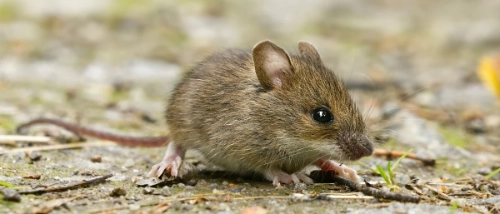
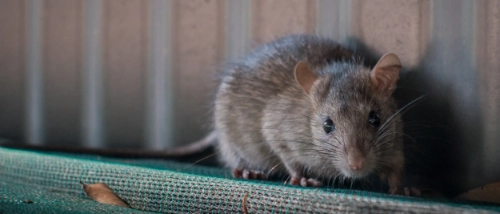
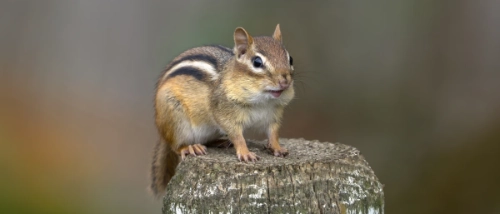
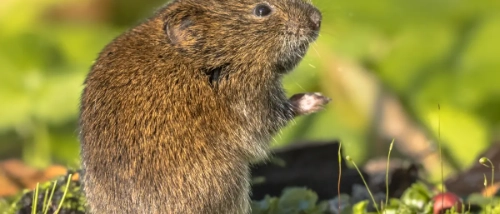
Mice, voles, and chipmunks fall into this category. These different types of rodent species are quick, reproduce rapidly, and can be challenging to control if they infest homes or businesses. Mice typically measure between 2.5 to four inches in length, not including their tails, while voles range from four to seven inches. Chipmunks are slightly larger, averaging between five to six inches in body length. Their small size allows them to squeeze through tiny openings, making exclusion and prevention key in rodent control efforts.
Medium-sized rodents
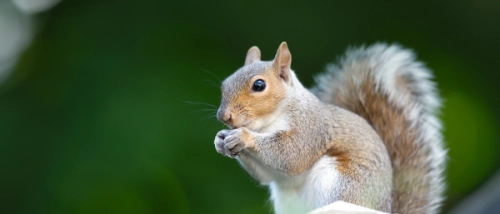
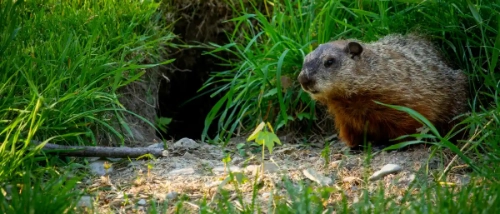
Squirrels, muskrats, and groundhogs are considered medium-sized rodents. Squirrels typically range from nine to 12 inches in body length, with tails adding an additional seven to 10 inches. Muskrats measure around 16 to 25 inches in total length, including their tails, while groundhogs grow between 16 and 27 inches long. Their damage often includes chewing, burrowing, or disrupting property structures. This can lead to weakened foundations, electrical hazards, and landscape destruction.
Large rodents
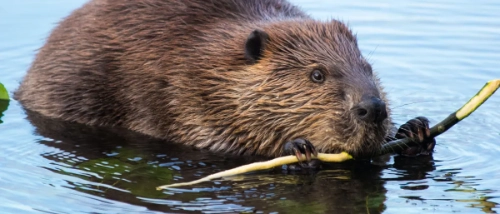
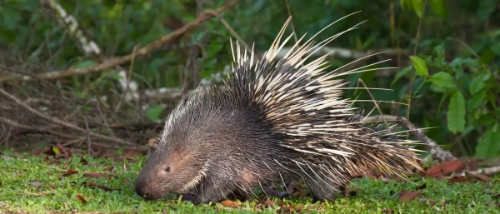
Beavers and porcupines are among the largest types of rodent species in North America. Beavers can grow up to three feet in body length, with tails adding another 10 to 14 inches, while porcupines typically range from 25 to 36 inches long. While they generally remain in their natural environments, they can cause issues by damaging trees, infrastructure, or wooden structures.