Temps and termites are on the rise. Schedule your free inspection today.

800-837-5520 Call us for a free quote Contact us

Mosquito species

There are over 3000 different mosquito species throughout the world, but only around 170 are found in the United States. Of those, there are three primary types that feed on human blood and give us the most trouble in the United States. Read on to learn more about the mosquito characteristics, life cycles, and habits of these common types.


How to identify different types of mosquitoes

Mosquitoes can be identified by their size, coloration, distinct markings, and behavior. Some species, like Culex tarsalis, Anopheles quadrimaculatus, and Aedes vexans, serve as vectors for diseases, while others, such as Psorophora columbiae and Ochlerotatus perturbans, are known for their aggressive biting habits. Recognizing these traits can help distinguish species and understand their role in spreading illnesses like dirofilariasis.

House mosquito

House mosquito

Culex species

  • Mostly gray with white, silver, green, or iridescent blue scales
  • Narrow, oval-shaped with six legs and antennae
  • About ¼” - ⅜” in size

  • Egg to adult stage takes 6 – 10 days
  • Complete metamorphosis – egg, larva, pupa and adult

  • Found in warm, wet environments
  • They lay eggs in the form of rafts in stagnant water
  • Find blood meals by detecting heat, chemical compounds, and carbon dioxide exhaled by humans
  • Transmit West Nile virus and other viruses that cause encephalitis
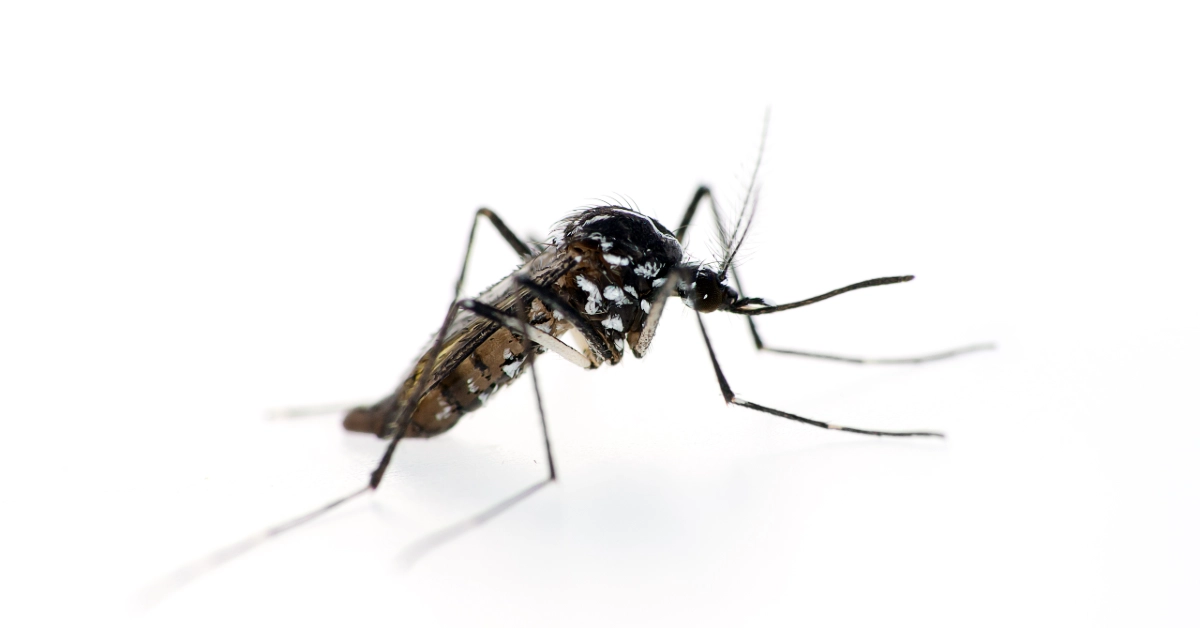
Yellow Fever mosquito

Yellow Fever mosquito

Aedes aegypti

  • Dark brown to black with silverish-white markings
  • Long, segmented body with a pair of wings, six legs, and antennae
  • About ⅛” in size

  • Egg to adult stage takes 6 – 8 days
  • Complete metamorphosis – egg, larva, pupa and adult

  • Live in tropical, subtropical, and temperate climates
  • Lay eggs singly in shaded, stagnant water and along containers
  • Active around the clock
  • Prefer biting humans, but will also bite dogs and other pets
  • Can transmit viruses that cause dengue, chikungunya, and Zika disease
Asian Tiger mosquito

Asian Tiger mosquito

Aedes albopictus

  • White and black striped legs and body
  • Long, segmented body with a pair of wings, six legs, and antennae
  • About ⅛” in size

  • Egg to adult stages takes about two weeks under ideal conditions
  • Complete metamorphosis – egg, larva, pupa and adult

  • Active year-round in warm regions but will overwinter in temperate ones
  • Lay eggs inside items that can ½” or more of stagnant water
  • Typically feed during the daylight hours
  • Can transmit Zika virus, dengue virus, Chikungunya virus, as well as other pathogens

Seeing mosquitoes?

Call now to book your free inspection.

Eastern treehole mosquito

Aedes triseriatus

  • Dark brown to black with light markings
  • Medium-sized mosquito with long legs

  • Lays eggs in tree holes and other natural water collections
  • Egg-to-adult development takes around 10-14 days

Saltmarsh mosquito

Aedes sollicitans

  • Light brown body with distinct white bands on legs

  • Lays eggs in coastal wetlands
  • Eggs hatch after flooding

Where do different mosquito species breed and thrive?

Different mosquito species thrive in various places based on their breeding needs. Saltmarsh mosquitoes prefer coastal wetlands, where tides and rain create the perfect conditions for their larvae to grow. Treehole mosquitoes lay eggs in standing water found in wooded areas, like tree holes and rot cavities.

Urban mosquitoes, like Culex pipiens, breed in artificial containers, clogged drains, and neglected pools, where still water gives them a place to grow. Finding and removing these breeding sites is an important step in mosquito removal. Vector control methods, such as getting rid of standing water, using larvicides, and adding natural predators, can help reduce mosquito numbers and lower the risk of disease. Taking action early is key to preventing outbreaks of illnesses like dirofilariasis and other mosquito-borne diseases.
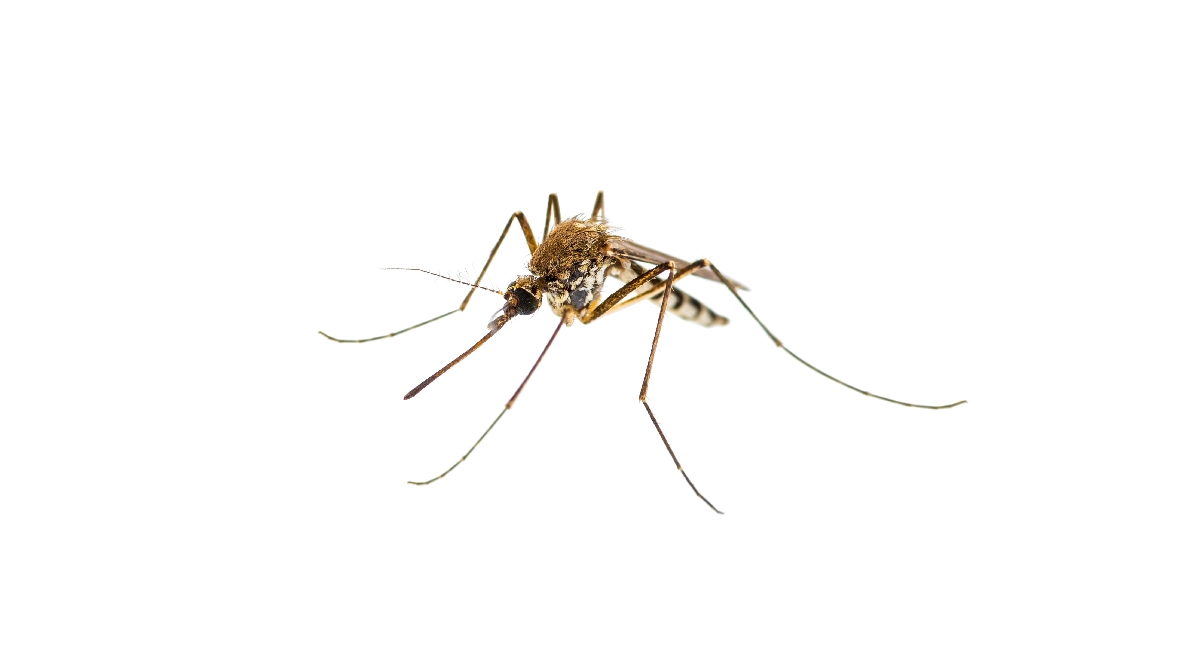
Mosquito diseases

Mosquitoes are responsible for more deaths due to disease than any other animal on the planet. Mosquitoes transmit disease by feeding on someone who has the disease. The virus or bacteria ends up in the mosquito's gut and eventually makes its way back to the salivary glands. This then helps pass it through the mouth and into the person being bitten. The list of viruses and diseases from mosquito bites is growing and the symptoms vary from virus to virus.

Some mosquito-borne diseases that can be transmitted include:

  • Chikungunya virus
  • Dengue fever
  • Encephalitis
  • Malaria
  • West Nile virus
  • Yellow fever
  • Zika virus
  • Canine heartworm

Mosquito control professionals

At Ehrlich, we have been helping homes and businesses take care of their mosquito problems for decades. Each of our mosquito control technicians is trained to find mosquito hiding places in order to create the most effective barrier around your property. We’ll also offer advice that can help you prevent their return.


Call us today at 800-837-5520 or fill out our online form to schedule an appointment.

Frequently asked questions

The three main types of mosquitoes that bite humans are Culex, Aedes aegypti, and Aedes albopictus. These mosquito species are common in many regions and are known to spread diseases.

Most blood-sucking mosquitoes belong to the Aedes, Culex, and Anopheles genera. Female mosquitoes rely on blood meals for reproduction, as they need the nutrients from blood to develop their eggs. Males, on the other hand, feed only on nectar and plant juices.

The Saltmarsh mosquito (Aedes sollicitans) is one of the most aggressive mosquito species. It is known for its persistent biting and ability to travel long distances.

The Anopheles mosquito is the deadliest mosquito variety, as it spreads malaria, a disease responsible for millions of deaths worldwide.

There are over 3,500 mosquito species globally, with about 170 different mosquito types found in the U.S. These mosquito varieties thrive in different environments.

Mosquitoes are attracted to body heat, carbon dioxide, and sweat, rather than body type. Some mosquito breeds are more drawn to certain scents and body chemistry.

Find your local branch

Start living pest-free today with PestFree365+. Ehrlich Pest Control protects your home from 39 different pests for the ultimate peace of mind.