Temps and termites are on the rise. Schedule your free inspection today.

800-837-5520 Call us for a free quote Contact us

How mice and other rodents survive the winter

Winter brings cozy nights and snowy scenes, but it can also sometimes bring unwelcome guests - the furry kind. While winter is typically known as a time for hibernation and rest for many animals, that is not the case for all rodents during the colder months.

Understanding whether rodents hibernate or not can help you spot early signs of an infestation and prepare your home. In the sections ahead, we’ll explore rodent hibernation and winter pests, delve into the hibernation process, and uncover what this means for keeping your home protected.

Do rodents hibernate?

The answer varies. Some species, like chipmunks and groundhogs, enter a true slumber, while others continue searching for shelter and food. In the next section, we’ll explore which rodent species snooze through winter and which stay active despite the change in season.

mouse on burlap with holiday lights in the background

Seeing mice?

Call now to book your free inspection.

Types of rodents

Knowing whether rodents hibernate is important because if they don’t, they’re more likely to be a nuisance during the cooler months. Even rodents that hibernate can cause issues throughout the rest of the year. Let’s take a look at some specific rodents and find out whether they hibernate or not.

Mice

Do house mice hibernate? House mice, as with other species, do not hibernate in the winter and can be a threat to your home. The house mouse is one of the most common mouse species found in urban and suburban areas. They can cause damage by chewing through wires or building nests in insulation, making mouse control essential. Deer mice, on the other hand, are typically found in more rural areas and may pose less of a risk to those in urban environments.

Rats

Like mice, rats do not hibernate. In the United States, both Norway rats and roof rats stay active through winter rather than entering true hibernation. Norway rats, often found in cities and suburbs, can grow up to nineteen inches long, including a five to eight-inch-long tail. Roof rats, common in coastal areas, reach about eight inches in length. When cold weather strikes, both species can try to enter various structures for shelter, food, and water.

Tree squirrels

Even though some squirrel species hibernate, tree squirrels don’t. These pests will remain active during winter and may even seek shelter in your home. Squirrels can gnaw into your home to create openings in your roof, walls, or attic and cause damage by chewing wires and insulation, which can be a fire hazard.

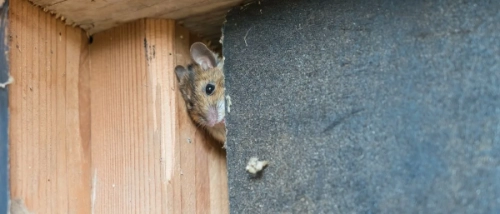
If you're unsure whether you have rodents in your home, it's important to look for signs like droppings, gnaw marks, and more.

mice hiding in wall

Where do mice and rats hide during the day?

Rats and mice survive the winter by staying warm and well-nourished. Since rats and mice don’t hibernate, it’s not uncommon for them or other rodents to find their way into your home during the colder months of the year. Mice are nocturnal creatures who typically hide in dark places during the day, but they may also venture out if they need food or water.

Here are a few common places that rodents, especially rats and mice, will go in the winter during the day to stay warm:

  • Inside walls: Mice and rats can squeeze into small openings and may build nests in the insulation. 
  • Cabinets: Cabinets and cupboards can serve as a dark and quiet hiding space for rodents. 
  • Basements: Mice and rats may access your basement through small openings in your house foundation or vents. 
  • Attics: Attics are typically warm and dry, making them an ideal place for rodents to hide.
  • Behind appliances: Appliances such as refrigerators and stoves can give off heat that often attracts rodents to these areas. 

Clutter: Cluttered areas are typically ideal for mice and rats to go unnoticed and build nests in.

Knowing this rodent behavior can help in spotting an infestation. If you notice any of these signs in your home, whether it’s mice in the attic or inside walls, Ehrlich can help. Contact us today for a free quote.

Where do mice and rats hide during the day?

Rats and mice survive the winter by staying warm and well-nourished. Since rats and mice don’t hibernate, it’s not uncommon for them or other rodents to find their way into your home during the colder months of the year. Mice are nocturnal creatures who typically hide in dark places during the day, but they may also venture out if they need food or water.

Here are a few common places that rodents, especially rats and mice, will go in the winter during the day to stay warm: 

  • Inside walls - Mice and rats can squeeze into small openings and may build nests in the insulation. 
  • Cabinets - Cabinets and cupboards can serve as a dark and quiet hiding space for rodents. 
  • Basements - Mice and rats may access your basement through small openings in your house foundation or vents. 
  • Attics - Attics are typically warm and dry, making them an ideal place for rodents to hide. 
  • Behind appliances - Appliances such as refrigerators and stoves can give off heat that often attracts rodents to these areas. 
  • Clutter - Cluttered areas are typically ideal for mice and rats to go unnoticed and build nests in. 

If you notice any of these signs in your home, Ehrlich can help. Contact us today for a free quote. 

What months are mice most active? 

The truth is that mice can be a problem for homeowners year-round, as they remain active even during the colder months when they require food, water, and warmth to survive. Mice are typically most active during the warmer months of April, May, and June. However, they are still a major threat to homeowners in the colder months from November through March. In the winter, rodents often seek shelter indoors to escape the cold temperatures. 

technician placing rodent trap outside

Winter pest control for mice and rats

If you’re dealing with mice, rats, or other rodents in your home, it’s crucial to take action before the problem gets worse. Our rodent control technicians can help identify the root cause of the problem and work closely with you to develop a treatment plan tailored to your specific needs. 

Whether you need a one-time or year-round service, Ehrlich is here to help. Our PestFree365+ plan can help protect you from 39 of the most common household pests year-round with regular services by our trained technicians.¹

Contact us today for a free quote and protect your home from unwanted pests this winter.

Get your free quote

Frequently asked questions

No. Unlike some ground-dwelling species, mice do not enter a true hibernation; they remain active indoors all winter, seeking warmth and food. With a lack of mice hibernation, they can cause issues in the home as they seek shelter from colder temperatures.

Keep an eye out for droppings near cupboards or pantries, gnaw marks on wood or electrical wires, and scurrying or scratching sounds behind walls. Early detection can help stop a full-blown pest infestation.

Rodents forage for grains, seeds, and household scraps; when natural food sources dry up, they rely on stored pantry items, driving them to explore indoor rodent habitats.

Seal entry points around windows, doors, and pipes, store food in airtight containers, and clear clutter that offers hiding spots; for comprehensive winter pest control, our technicians can identify and address vulnerabilities effectively.

Most mice are busiest at night and in low light: right after dusk, during the night, and just before dawn. Seasonally, they move indoors in cooler months (autumn through early spring) to stay warm and find food, while you’re more likely to spot them outside on warm summer nights.

Find your local branch

Enjoy year-round protection from pests with PestFree365+. Ehrlich helps protect your home from 39 different pests for the ultimate peace of mind.