Why are insects a problem?
Insects play a vital role in ecosystems, but when they invade homes, businesses, and agricultural spaces, they can become a serious problem. From spreading diseases to damaging property and contaminating food, many insects pose significant risks to human health and well-being. Understanding these threats highlights the importance of effective pest control measures.
Health risks to humans
Some insects transmit diseases that pose serious health risks. Mosquitoes spread illnesses like malaria, Zika virus, and West Nile virus. Fleas carry plague bacteria. Cockroaches can trigger allergies and asthma, especially in children. This makes insect control vital for a healthy living space.
Damage to property
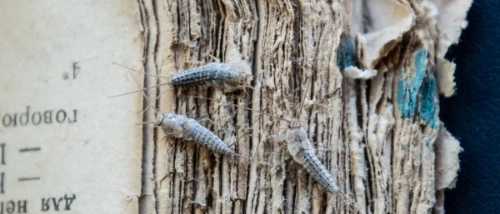
Certain insects can cause significant property damage. Termites feed on wood, weakening the structure of homes. Silverfish and moths damage books, clothing, and upholstery by feeding on natural fibers. Carpenter ants create tunnels in wood, potentially leading to structural issues. If left untreated, these pests can lead to costly repairs.
Agricultural and garden destruction
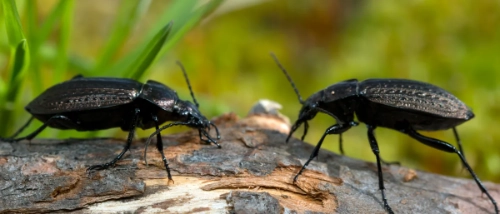
Farmers and gardeners frequently deal with insect infestations that threaten crops. Aphids, caterpillars, and beetles feed on leaves and stems, reducing plant growth. Grasshoppers and moths can devastate entire fields if left unchecked. Effective pest management is crucial for protecting crops and maintaining food supplies.
Contamination of food
Insects can contaminate food and stored goods. Flies transfer bacteria from decaying matter to human food, increasing the risk of illness. Pantry pests like meal moths and weevils lay eggs in dry goods, leading to contamination. Proper food storage and hygiene help prevent infestations.
Nuisance and discomfort
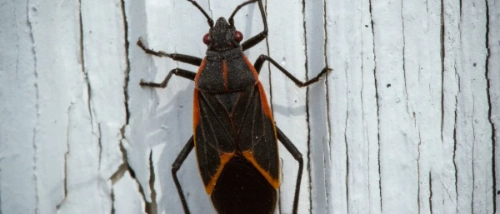
Even when they do not cause direct harm, insects can be a major nuisance. Large infestations of boxelder bugs, ants, or wasps can make indoor and outdoor spaces uncomfortable. Their presence can be distressing, and professional pest control may be necessary to remove them effectively.