Dealing with a bed bug infestation can be stressful, and understanding how these pests move and spread is key to effective prevention and control. Bed bugs are notorious for their ability to hitchhike and hide in hard-to-reach places, making infestations tricky to manage without professional bed bug control services.
Learn more about how bed bugs can move and what you can do to prevent them:
Understanding Bed Bug Mobility
Bed bugs' small size and lack of wings or jumping ability make them skilled at hiding and crawling along surfaces. Understanding their mobility helps in more effectively preventing and controlling infestations.
Physical characteristics of bed bugs
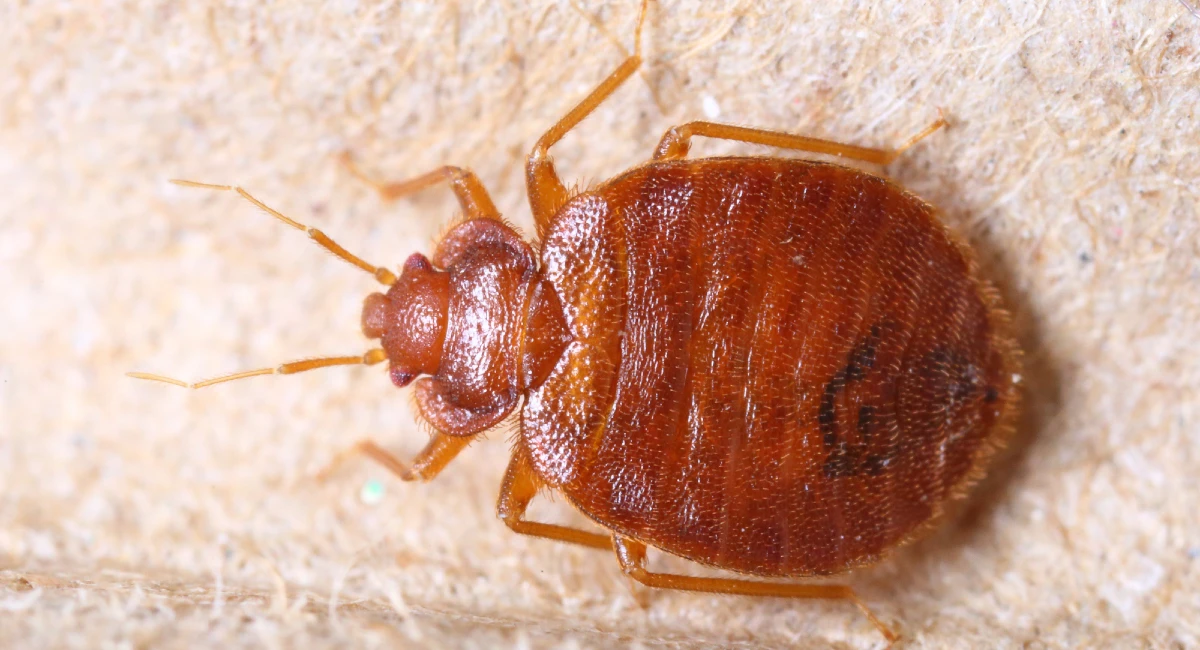
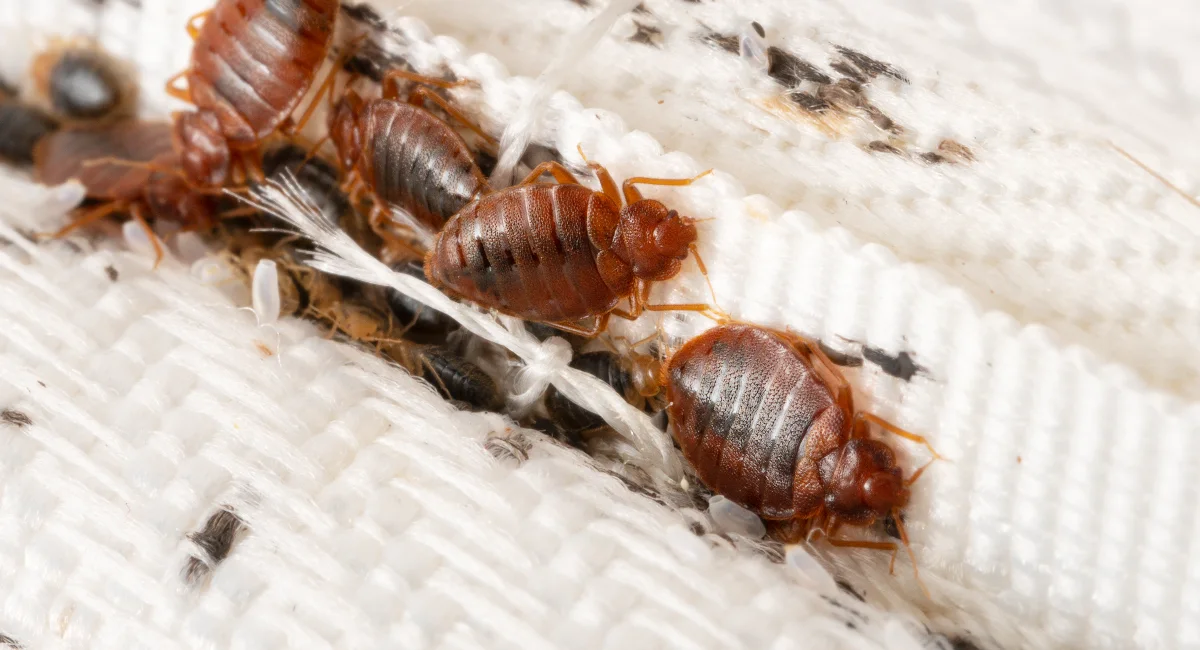
Bed bugs are small, reddish-brown, and wingless insects. Their flat, oval-shaped bodies allow them to easily hide in cracks and crevices, such as in bed frames, box springs, and upholstered furniture. As blood-feeding pests, they rely on human hosts for nourishment, feeding on a blood meal during the night.
Comparison with other insects
Unlike fleas or cockroaches, bed bugs do not possess the physical adaptations needed for flight or jumping. While fleas have specialized jumping legs, bed bugs only have crawling legs suited for moving along surfaces. Unlike flying insects, bed bugs cannot propel themselves through the air or make leaps of significant distance.