© 2026 Rentokil Initial plc and subject to the conditions in the legal statement.
Quick overview
- Flies can carry over 130 pathogens, including bacteria, viruses, and parasites.
- Disease spreads mainly through landing, not biting, on food and surfaces.
- House flies are the biggest everyday risk due to their breeding habits.
- Common diseases linked to flies include Salmonella, E. coli, and dysentery.
- Good sanitation reduces risk, but a professional can help tackle an infestation.
Most people swat a fly away and move on. But there's a good reason to take flies more seriously than that. Flies can spread diseases every time they land, picking up bacteria, viruses, and parasites from one surface and depositing them on the next. That next surface could be your food, your countertop, or your child's plate.
Why are flies a health risk?
Flies are capable of carrying over 130 pathogens, including bacteria, viruses, fungi, and parasites. That's a significant public health concern, especially in homes, restaurants, and food-handling environments.
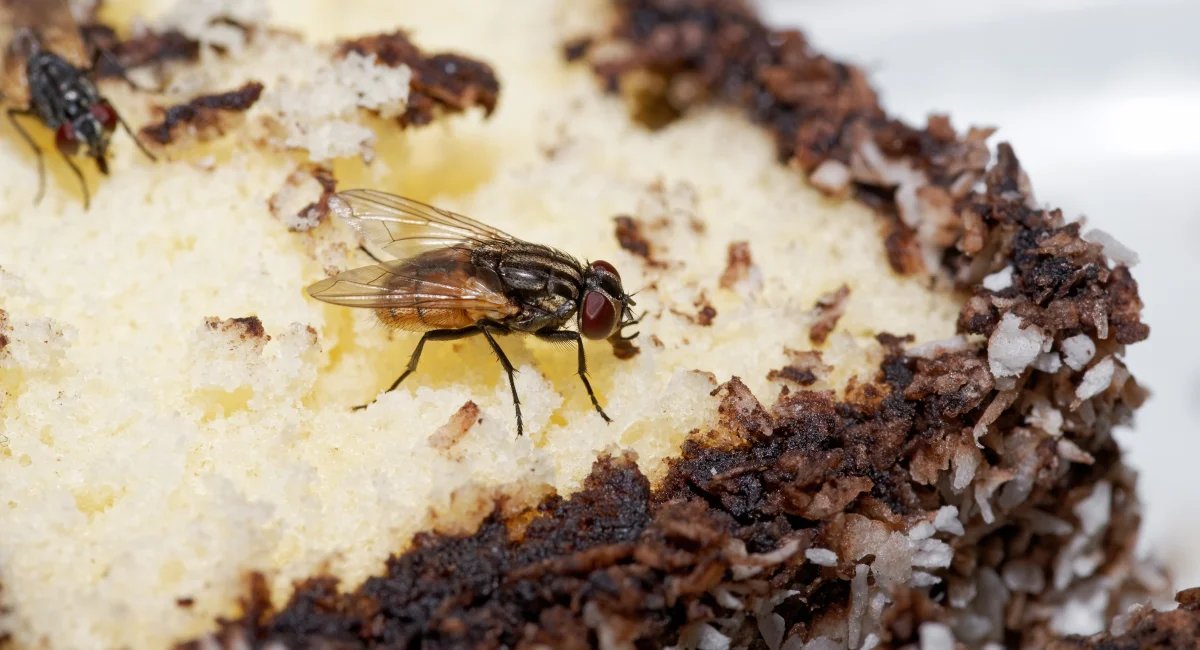
Flies don't bite to spread disease. Most of the time, they do it simply by landing. House flies (Musca domestica) breed and feed in some of the most contaminated environments imaginable: garbage, animal waste, decaying organic matter, and sewage. As they move through these areas, bacteria and other pathogens cling to their legs, body hairs, and mouthparts.
When a fly lands on your food or a food prep surface, it can transfer those pathogens directly. It also regurgitates saliva to dissolve food before eating, and defecates frequently, both of which can leave behind harmful microorganisms.
What diseases can flies carry and spread?
Flies have been linked to a surprisingly wide range of illnesses. Most are spread through flies picking up pathogens from filthy environments and depositing them on food or surfaces.
Salmonella and food poisoning
House flies are well-documented carriers of Salmonella bacteria. When flies move between animal waste or garbage and food preparation areas, they can contaminate surfaces and food products. Salmonella infection causes symptoms including diarrhea, fever, and stomach cramps, and can be serious for young children, older adults, and people with weakened immune systems.
E. coli
Escherichia coli (E. coli) is another bacterium commonly associated with house flies. Certain strains can cause severe gastrointestinal illness. Flies that have been in contact with animal feces or contaminated water can carry E. coli onto food and kitchen surfaces.
Typhoid fever
Typhoid is caused by Salmonella typhi and has historically been linked to fly activity in areas with poor sanitation. While typhoid is less common in the US today, flies remain a recognized vector, particularly in environments where hygiene standards are not consistently maintained.
Dysentery
Both bacterial dysentery (caused by Shigella bacteria) and amoebic dysentery can be spread by flies. Flies pick up the organisms from infected feces and transfer them to food or water. Symptoms include severe diarrhea, stomach pain, and fever.
Cholera
Cholera, caused by Vibrio cholerae, is another disease that flies can help transmit. While cholera outbreaks are rare in the US, flies are recognized as a contributing factor in areas where the disease is more prevalent.
Eye infections
Flies can also spread bacterial eye infections, including trachoma, by landing near the eyes and transferring bacteria. This is more of a concern in areas with high fly populations and limited access to clean water, but it's a reminder that fly contact isn't limited to food.
How do flies spread bacteria and contaminate food?
There are two main ways flies transmit disease: mechanical transmission and biological transmission.
Mechanical transmission is the most common. Flies physically carry pathogens on their bodies from contaminated sources to food, surfaces, or people. No development of the pathogen inside the fly is required. It's a direct transfer.
Biological transmission is less common but more serious. In this case, the pathogen develops inside the fly's body and is passed on through a bite. Biting flies, such as horse flies and stable flies, are capable of this type of transmission.
For most people in the US, mechanical transmission is the bigger everyday concern. A fly that has been in a garbage can or on pet waste and then lands on your kitchen counter or uncovered food can leave behind enough bacteria to cause illness.
Which types of flies are the biggest health concern?
Not all flies carry the same level of risk. Here's a quick breakdown:
- House flies (Musca domestica): The most common and most significant health risk. They breed in filth and move freely between waste and food areas.
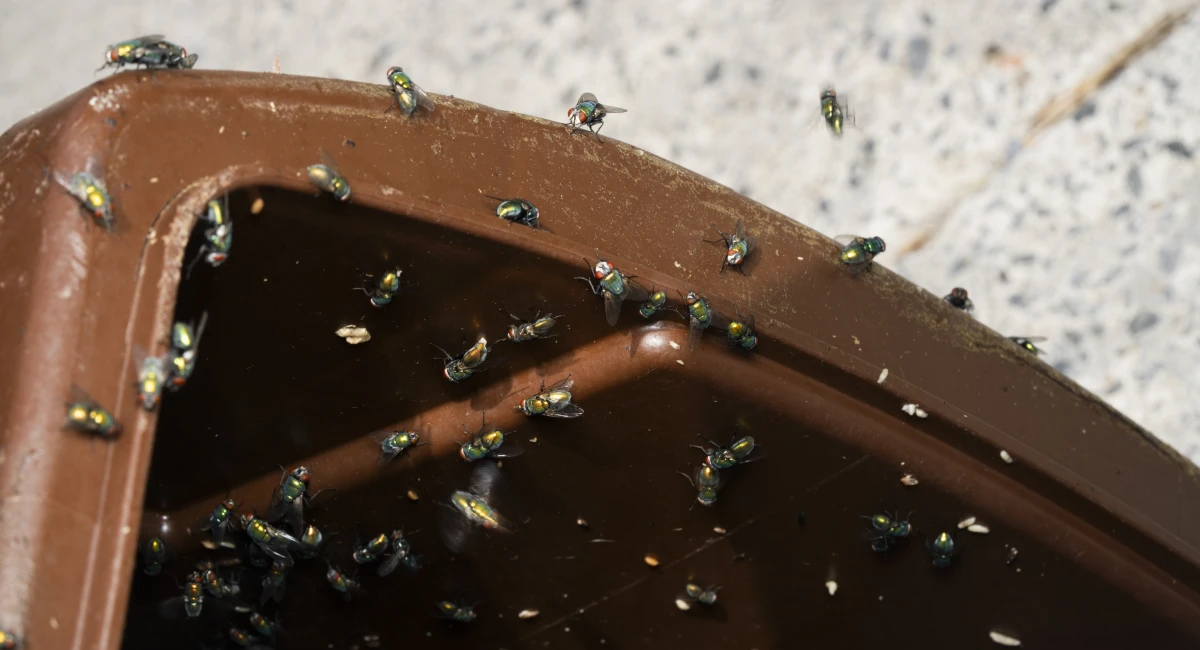
- Blow flies and bottle flies: Attracted to decaying meat and animal carcasses. They can carry similar bacteria to house flies and are often a sign of a larger sanitation issue.
- Fruit flies: While they don't bite, fruit flies can carry bacteria from rotting produce and drains onto food surfaces.
- Drain flies: Found near drains and sewage. They can carry bacteria from these environments into kitchens and bathrooms.
- Horse flies and stable flies: These biting flies can transmit pathogens directly through their bite. If you experience a bite from one of these flies, monitor for any signs of infection or illness and consult a healthcare professional if you have concerns.
Flies in commercial settings: a serious risk
For businesses, particularly those in food service, hospitality, and healthcare, flies are more than a nuisance. They represent a genuine compliance and reputational risk.
A fly infestation in a restaurant or food processing facility can lead to health code violations, failed inspections, and potential closures. In healthcare settings, flies near patient areas or sterile environments can pose serious infection control challenges.
How to reduce fly activity in your home or business
There are practical steps you can take to make your property less attractive to flies:
- Keep food covered and stored properly, since flies are drawn to exposed food, especially fruit, meat, and anything sweet.
- Empty trash cans regularly and use bins with tight-fitting lids, both indoors and outdoors.
- Clean drains frequently, as they're a common breeding site for drain flies and can attract house flies too.
- Fix leaky pipes and eliminate standing water, which attracts flies and provides breeding conditions.
- Keep doors and windows screened to reduce fly entry.
- Clean up pet waste promptly, as animal feces is a prime breeding and feeding site for house flies.
These steps can help reduce the conditions that attract flies, but they're usually most effective as part of a broader prevention strategy. DIY measures alone often don't address an existing infestation at its source.
When to call in the professionals
If you're seeing flies regularly inside your home or business, or if your own efforts haven't made a noticeable difference, it's worth getting professional help. Flies can breed rapidly, and a small problem can grow quickly if the underlying source isn't identified and addressed.
Ehrlich's technicians will inspect your property, identify the fly species, locate breeding sites, and put together a targeted plan to help reduce fly activity and prevent it from returning. Whether you need help at home or across a commercial operation, we're here to help.
Seeing signs of a fly problem? Get in touch with Ehrlich today to book your free pest inspection.
See how Ehrlich can help address flea infestations in your home or business.
Book your free pest inspection today
Our local technicians will assess your property and recommend tailored solutions. Fast, friendly, and completely obligation-free.
- Safe, targeted treatments
- Local experts, fast response
- Trusted, trained technicians