© 2026 Rentokil Initial plc and subject to the conditions in the legal statement.
Anyone who has ever dealt with a flea problem already knows how quickly things can get out of hand. But understanding what fleas eat and how their feeding habits change throughout their life cycle can actually help you tackle an infestation more effectively. Spoiler: it's not just blood.
Fleas are parasitic insects that depend on a host to survive. Adult fleas feed on blood, but the earlier stages of the flea life cycle have very different dietary needs.
Do fleas eat blood?
Yes, adult fleas are obligate blood feeders. That means blood isn't just a preference; it's a biological requirement. Without a blood meal, female fleas cannot lay eggs and, therefore, cannot reproduce.
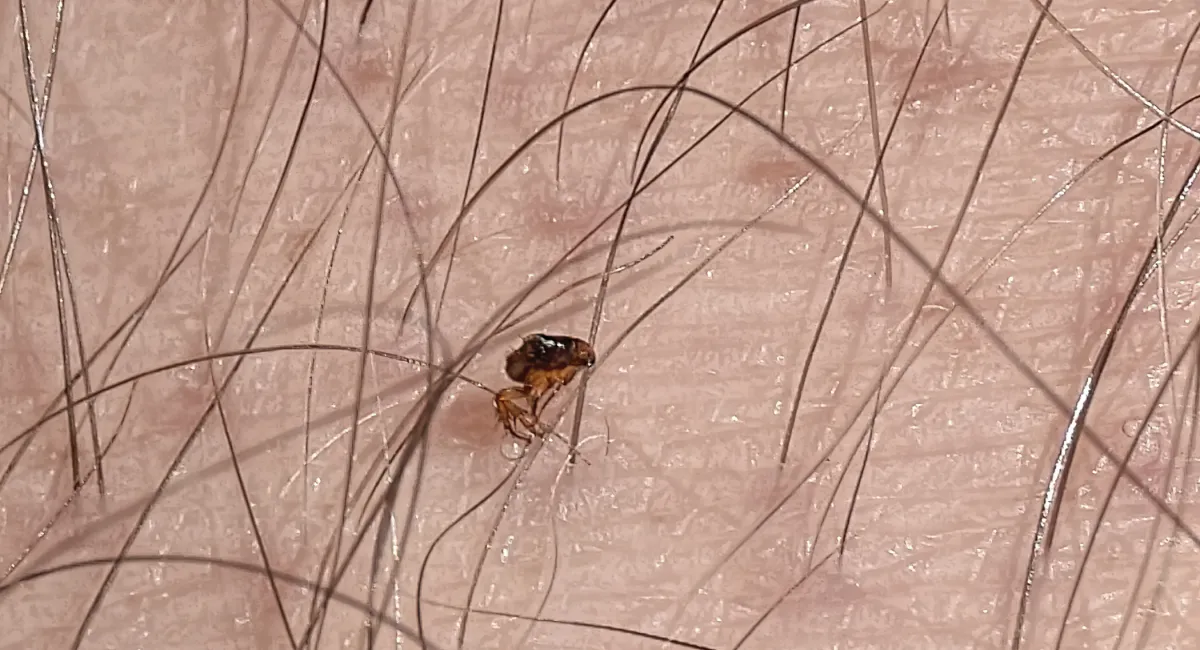
The most common species in US homes is the cat flea (Ctenocephalides felis). Despite the name, cat fleas readily feed on dogs, humans, and other warm-blooded animals. They use needle-like mouthparts to pierce the skin and locate a capillary, then inject saliva that prevents the blood from clotting while they feed. That saliva is what causes the itching and irritation you feel after a bite.
An adult flea can consume up to 15 times its own body weight in blood per day. That's a significant amount relative to their tiny size, and it explains why pets with heavy infestations can become noticeably lethargic or develop anemia.
What do flea larvae eat?
Here's where things get a little more complex; Flea larvae don't feed on blood at all. They can't. Their mouthparts aren't designed for it.
Instead, flea larvae are scavengers that feed on organic debris in their environment. Their primary food source is flea dirt, which is the dried fecal matter produced by adult fleas. Flea dirt is essentially partially digested blood, and it provides larvae with the nutrients they need to develop. Larvae also consume flea eggs, including non-viable ones, which are a critical part of their diet.
Without both of these food sources, larvae struggle to survive and develop into adults. This is why areas where pets rest and groom, like carpets, pet bedding, and upholstered furniture, tend to be hotspots for flea larvae. That's where flea dirt and eggs accumulate.
Larvae are photophobic, meaning they avoid light and burrow deep into carpet fibers and floor cracks. They're rarely visible to the naked eye, which is part of what makes flea infestations so difficult to address without professional help.
What do fleas eat at each life stage?
Understanding the flea diet across all four life stages helps explain why a complete treatment approach is so important.
Eggs
Flea eggs don't feed at all. They're laid on the host animal and quickly fall off into the surrounding environment, where they hatch within two to 14 days..
Larvae
As covered above, larvae feed on flea dirt and flea eggs. They're detritivores at this stage, grazing on organic debris in dark, sheltered areas. They must find food within three days of hatching, or they won't survive.
Pupae
Flea pupae don't eat either. Encased in a sticky cocoon, they rely on energy stored during the larval stage. Pupae can remain dormant for several months, waiting for the right conditions, like warmth, vibration, or the presence of a host, before emerging as adults.
Adults
Adult fleas begin feeding almost immediately after emerging. They need a blood meal within days to survive and reproduce. A female flea can lay up to 50 eggs per day once she has fed, which is why flea populations can grow so rapidly.
Do fleas feed on humans?
Yes, fleas can and do bite humans. While they prefer animal hosts like cats and dogs, they'll feed on humans when a preferred host isn't available, or when an infestation is large enough that they're actively seeking any warm-blooded source.
Flea bites on humans typically appear as small, red, itchy bumps, often clustered around the ankles and lower legs. Some people have stronger reactions than others. If you experience an unusual or severe reaction to flea bites, consult a healthcare professional. It's worth noting that fleas can also carry diseases. Historically, fleas have been linked to the spread of bubonic plague, and today they can transmit murine typhus and tapeworms.
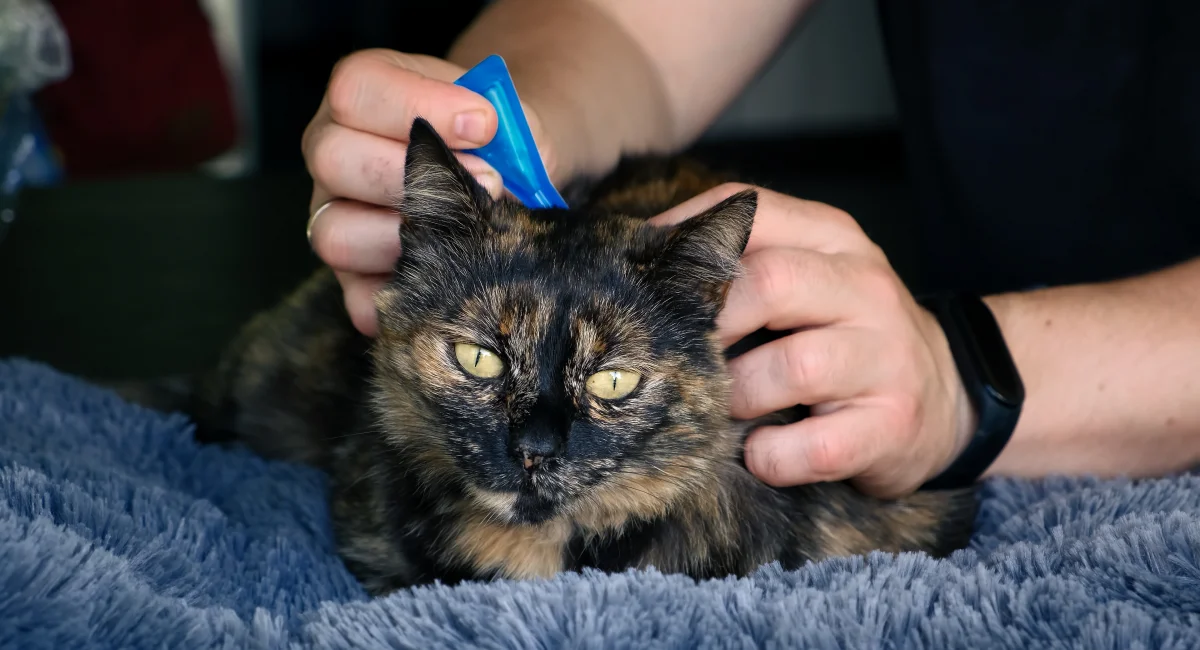
If you have pets, it's worth speaking with your veterinarian about appropriate flea prevention products and ensuring the use of pet-friendly pest control options that work around your household.
Why understanding flea feeding habits matters for control
Knowing what fleas feed on at each life stage is directly relevant to how you approach an infestation. If you only treat adult fleas, you're leaving larvae, pupae, and eggs untouched. Those will develop into new adults within weeks, and the cycle starts again.
Effective flea control needs to address:
- Adult fleas on pets and in the home
- Larvae in carpets, bedding, and floor cracks
- Eggs in the environment
- Pupae, which are resistant to most treatments and can lie dormant for months.
DIY approaches like vacuuming, washing pet bedding in hot water, and using over-the-counter products can help reduce flea populations. But they often fall short of breaking the full life cycle, especially when an infestation is already established. For persistent or widespread problems, professional treatment is usually the most reliable path forward.
When to call in the professionals
Repeated signs of flea activity, such as pets scratching constantly, small dark specks on bedding (flea dirt), or bites on your own skin, means it's worth getting a professional assessment. Fleas reproduce fast, and what starts as a minor problem can become a significant infestation within a few weeks.
Seeing signs of fleas in your home? Get in touch with Ehrlich today to book your free pest inspection.
See how Ehrlich can help address flea infestations in your home or business.
Book your free pest inspection today
Our local technicians will assess your property and recommend tailored solutions. Fast, friendly, and completely obligation-free.
- Safe, targeted treatments
- Local experts, fast response
- Trusted, trained technicians