© 2026 Rentokil Initial plc and subject to the conditions in the legal statement.
Quick overview
- Cockroaches are most active at night and during warmer months.
- Peak season runs from late spring through summer.
- Seeing roaches in daylight often signals a large infestation.
- Indoor infestations can persist year-round, even in winter.
- Droppings, egg casings, and musty odors are key warning signs.
If you've ever flipped on a kitchen light late at night and watched something dart across the floor, you already know the answer. Cockroaches are most active at night, and they're very good at staying out of sight the rest of the time. But there's more to their behavior than just avoiding the light. Temperature, humidity, and the time of year all play a role in how active roaches are and how likely they are to show up in your home.

When is cockroach season?
Cockroach season typically ramps up in late spring and peaks through the summer months. Roaches are cold-blooded, so warmer temperatures speed up their metabolism, increase their movement, and accelerate breeding. They thrive in temperatures between 70°F and 85°F, which is why summer is when most homeowners start noticing them.
That said, cockroach season varies by region. In warmer, more humid states like Florida, Texas, and Georgia, roaches can be a year-round challenge. In cooler northern states, activity tends to peak from June through September before dropping off as temperatures fall.
One important thing to keep in mind is that, even when it's cold outside, indoor infestations can persist all year. Your heated home provides everything cockroaches need to survive through winter.
Why are cockroaches nocturnal?
Cockroaches are nocturnal by nature. They forage for food, find mates, and explore their environment under the cover of darkness. During the day, they hide in warm, dark, tight spaces, behind appliances, inside wall voids, under sinks, and in the backs of cabinets.
Seeing a cockroach during daylight hours is actually a warning sign. It often means the population has grown large enough that roaches are being pushed out of their hiding spots to find food. If you're spotting them in the daytime, it's worth taking a closer look at what's going on.
How seasons affect cockroach activity
Cockroach behavior shifts with the seasons, but they're rarely completely dormant. Here's what to expect throughout the year and when you're most likely to see activity inside your home.
Spring
As temperatures start to climb in March and April, cockroach populations that have been lying low through winter begin to stir. Breeding picks up quickly. A single female German cockroach can produce an egg case every three to four weeks in warm conditions, each containing up to 40 eggs. Spring is when populations start building toward their summer peak.
Summer
Summer is peak cockroach season. Heat and humidity create ideal conditions for rapid reproduction, and outdoor populations grow large enough to start pushing into homes. Heavy rain can also drive roaches indoors as they seek shelter from flooding. This is the time of year when signs of a cockroach infestation are most likely to appear.
Fall
As outdoor temperatures drop below 55°F, cockroaches start moving inside. American cockroaches are particularly prone to this seasonal migration, entering homes through floor drains, gaps around pipes, and cracks in foundations. Fall is a critical window for sealing entry points before roaches settle in for winter.
Winter
Outdoor cockroach activity slows significantly in winter, but indoor infestations don't stop. Roaches concentrate in the warmest parts of your home, such as kitchens, bathrooms, and areas near appliances. If you have an established infestation, cold weather won't resolve it on its own.
Signs of increased cockroach activity
Whether it's summer or the middle of winter, these are the signs that cockroaches may be active in your home:
- Droppings: Small, dark specks resembling coffee grounds or black pepper, often found in corners, along baseboards, or inside cabinets
- Egg casings (oothecae): Small, oval, brownish capsules that can contain dozens of eggs
- Shed skins: Cockroaches molt as they grow, leaving behind discarded exoskeletons near nesting areas
- Musty odor: A distinctive, oily smell caused by pheromones and droppings, which gets stronger as an infestation grows
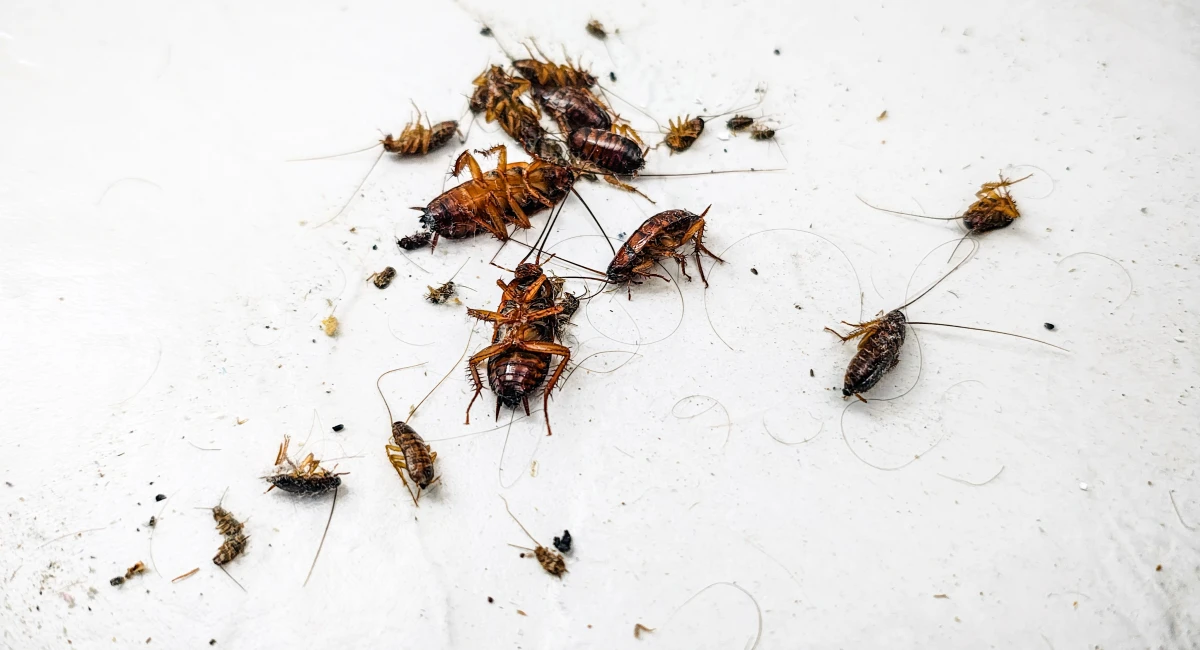
- Live or dead roaches: Spotting roaches during the day is a strong indicator of a larger problem.
If you're seeing more than one of these signs, it's worth acting quickly. Cockroaches reproduce fast, and populations can grow significantly in a short period of time.
How to reduce cockroach activity in your home
There are practical steps you can take to make your home less attractive to roaches, regardless of the season:
- Keep food sealed and surfaces clean. Even small crumbs can sustain a cockroach population.
- Fix leaky pipes and eliminate standing water. Cockroaches can survive weeks without food but only about a week without water.
- Seal gaps around pipes, baseboards, and entry points. Roaches can squeeze through surprisingly small openings.
- Reduce clutter, especially cardboard boxes, which roaches use as harborage.
- Take out the trash regularly and use bins with tight-fitting lids.
These steps can help reduce the conditions that attract roaches, but they're usually most effective as part of a broader prevention strategy. DIY measures alone often don't address an existing infestation at its source.
When to call in the professionals
If you're seeing repeated signs of activity, or your own efforts haven't made a dent, it's time to get professional help. Cockroaches are resilient, they hide well, breed quickly, and can develop resistance to over-the-counter products over time.
Seeing signs of cockroach activity in your home? Get in touch with Ehrlich today to book your free pest inspection.
See how Ehrlich can help address cockroach infestations in your home or business.
Book your free pest inspection today
Our local technicians will assess your property and recommend tailored solutions. Fast, friendly, and completely obligation-free.
- Safe, targeted treatments
- Local experts, fast response
- Trusted, trained technicians