© 2026 Rentokil Initial plc and subject to the conditions in the legal statement.
While many people enjoy watching birds in their backyard, property owners often overlook the potential for bird damage to roofs. When pest birds decide to make your home or business their primary residence, they bring a variety of risks that go beyond a simple mess. Understanding how these animals interact with your structure is the first step in protecting your investment.
The impact of bird droppings on roofing materials
One of the most significant ways birds harm a building is through their waste. Bird droppings aren't just an aesthetic issue, they’re a chemical one too. Most bird droppings are highly acidic. Over time, the uric acid in their waste can eat through various roofing materials, including asphalt shingles, wood, and even some types of metal.
If droppings are allowed to accumulate, they can significantly shorten the lifespan of your roof. For commercial properties with flat roofs, this is a particular concern. The accumulation of waste can lead to "ponding," where water becomes trapped under the waste, eventually causing the roofing membrane to degrade and leak.
How bird nesting on roof areas causes trouble
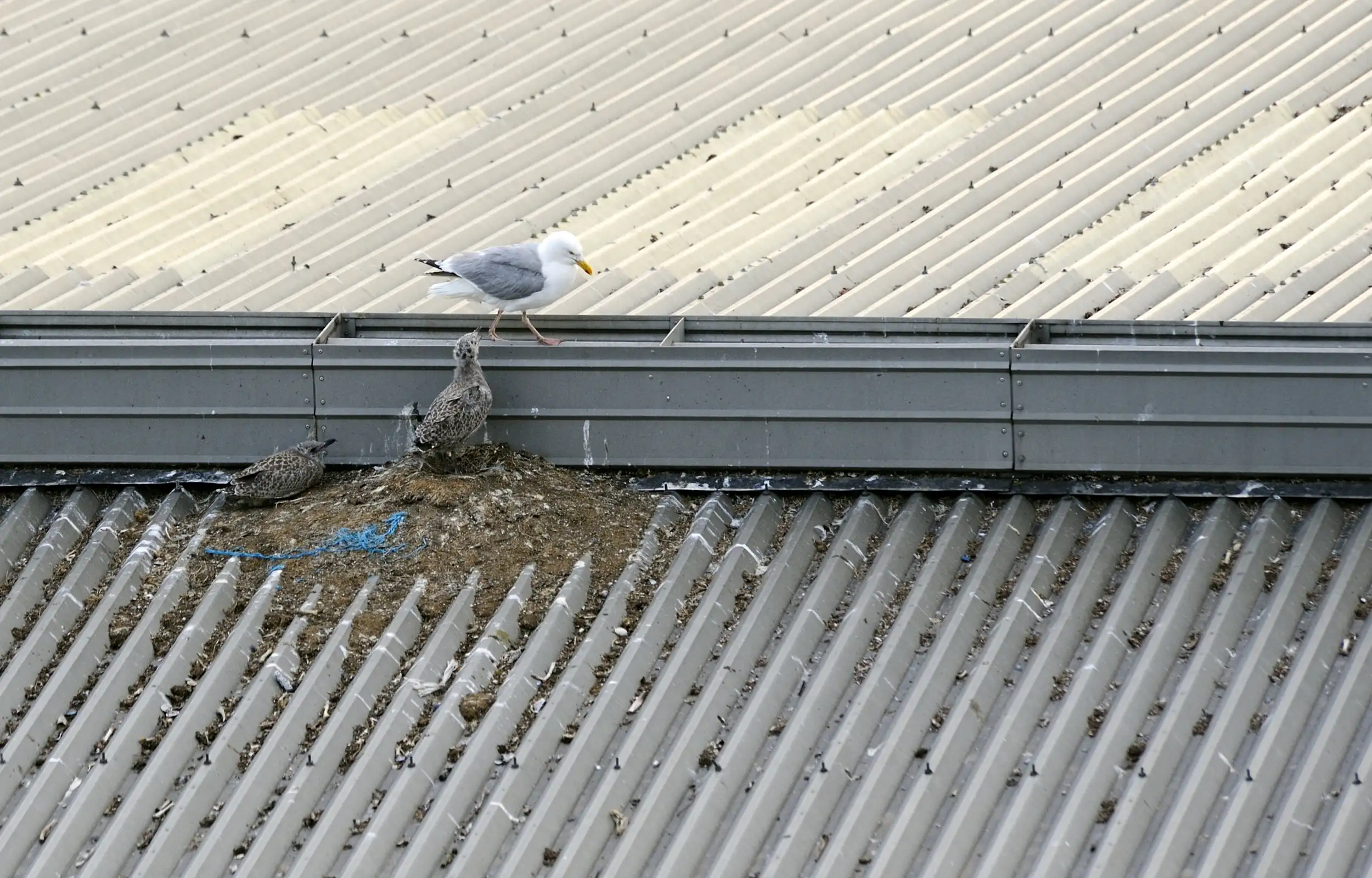
Nesting is another cause of concern. When a bird finds a comfortable spot, it often brings in a large amount of debris. Bird nesting on roof areas can lead to several structural problems that are expensive to fix.
Blocked gutters and drainage systems
Birds love to build nests in protected areas like gutters and downspouts. The materials used for their nests, such as twigs, grass, and mud, act as a dam. When it rains, water cannot flow away from the building, but instead backs up under the shingles or overflows onto the siding. This often leads to wood rot, mold growth, and interior water damage.
Fire risks from nesting materials
Nests are essentially piles of dried kindling. If birds build nests inside chimneys, ventilation ducts, or near electrical machinery on a roof, the risk of fire increases. This is especially dangerous for commercial buildings with heavy HVAC equipment located on the rooftop. Blocking a vent also prevents proper airflow, which can lead to carbon monoxide buildup inside a property.
Physical damage from bird behavior
Beyond the waste and the nests, the birds themselves can be quite destructive. Certain species, like woodpeckers, may peck at wooden shingles or siding in search of insects. Other pest birds might pull at loose shingles or roofing felt to find nesting material or to get to a warmer spot inside the attic.
Once a bird creates even a small opening, other pests like rodents or insects can find their way in. Small holes also allow moisture to enter the structure, which quickly leads to structural decay.
Signs you have a bird problem on your roof
It is better to catch a bird problem early before the bird damage to roofs becomes extensive. Keep an eye out for these common indicators:
- Concentrated areas of white droppings on the roof or siding
- Debris like straw, feathers, and twigs falling from the roofline
- Continuous bird calls or scratching sounds coming from the attic or eaves
- Birds frequently landing on the roof ridge or congregating in one area.
If you notice these signs, it is time to take action.
What to do if you have a bird problem
If you're noticing droppings, nesting debris, or birds regularly gathering on your roof, it's worth acting sooner rather than later. Managing birds can be complicated by local and federal regulations, so it's best to leave it to the professionals.
Ehrlich's bird control services are tailored to your property. Our technicians use a range of humane deterrents, including bird spikes, netting, and wire systems, to make your roof less attractive to pest birds and help protect it from further damage.
See how Ehrlich protects your property from bird damage.
Book your free pest inspection today
Our local technicians will assess your property and recommend tailored solutions. Fast, friendly, and completely obligation-free.
- Safe, targeted treatments
- Local experts, fast response
- Trusted, trained technicians