© 2026 Rentokil Initial plc and subject to the conditions in the legal statement.
Waking up with itchy, red bumps on your skin is unpleasant. But before you panic, it's important to understand what you're dealing with. While both bed bugs and mites can cause skin irritation, they're very different pests that require different approaches to control.
Let's break down the key differences between these two common household pests so you can identify what's in your home and take the right steps to address it.
What do bed bugs look like?
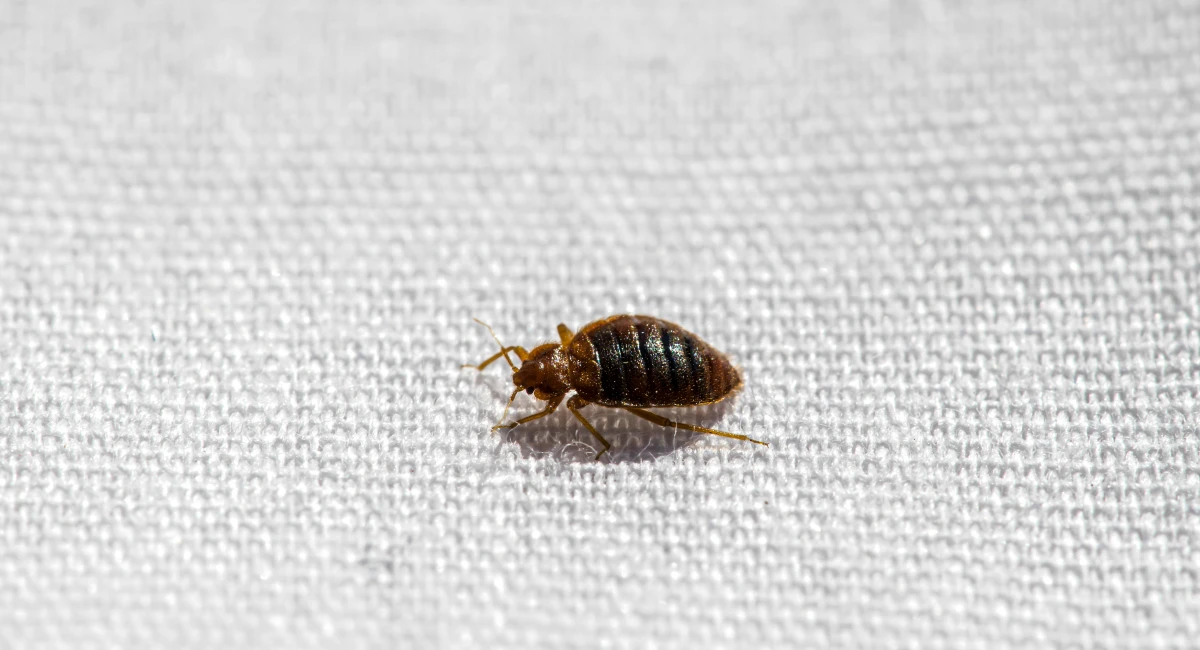
Adult bed bugs are reddish-brown, oval-shaped insects about one-fourth of an inch long—roughly the size of an apple seed. They have flat bodies (until they feed), six legs, and two antennae. Immature bed bugs, called nymphs, look similar but are smaller and lighter in color, sometimes appearing almost translucent.
Bed bugs have a specialized mouthpart called a proboscis that they use to pierce your skin and feed on blood while you sleep. They're visible to the naked eye, which means you can spot them if you know where to look and look closely enough.
What do mites look like?
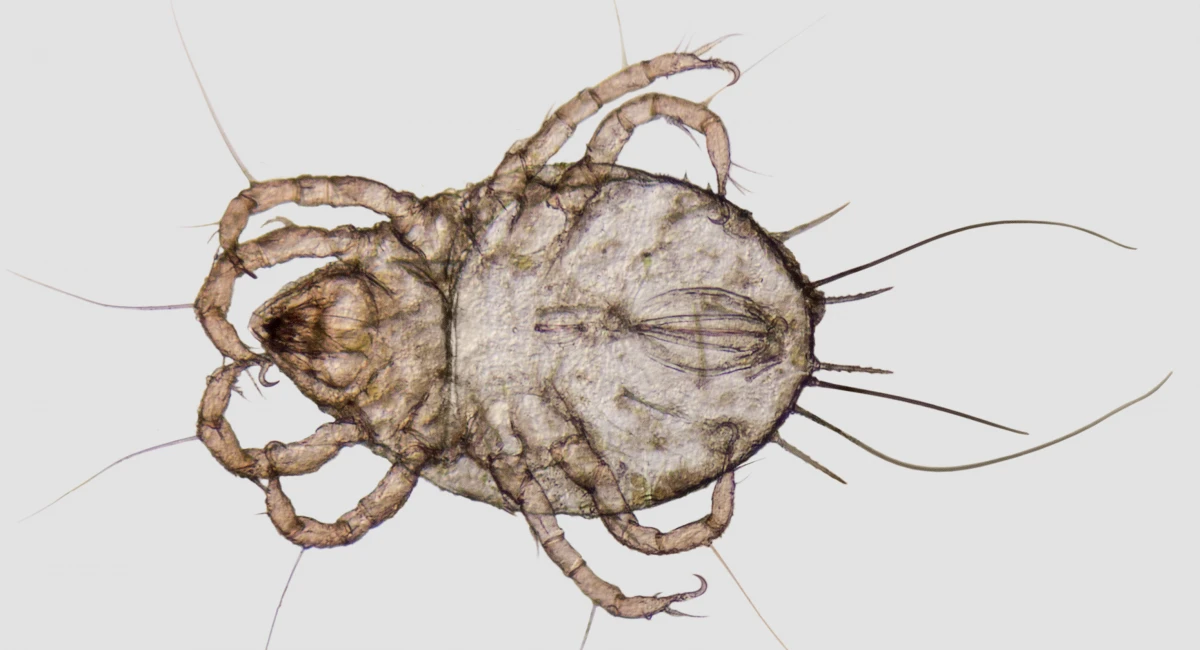
Mites are a diverse group of arachnids (relatives of spiders) incorporating thousands of species. Some mites, like bird mites and clover mites, are about one-eighth of an inch long and can be seen without magnification. However, dust mites and scabies mites are microscopic and can't be seen with the naked eye.
Unlike insects, adult mites have eight legs (immature mites have six). Their appearance varies widely depending on the species, but most household mites are so small that identification requires a magnifying glass or microscope.
How to tell bed bug bites from mite reactions
How bed bugs and mites affect our skin varies from person to person, and identifying an insect from its bite is notoriously difficult. That said, as mites don’t bite, there are general differences between how these pests affect our skin that are worth knowing.
Bed bug bites
Bed bugs are blood feeders that bite exposed skin while you sleep. Their bites typically appear as raised, red bumps similar to mosquito bites. Some people develop large, swollen welts, while others may have little to no reaction. Bites often appear in clusters or lines on areas like your arms, legs, neck, or face.
If you're experiencing bites, it's worth scheduling a free pest inspection to confirm what you're dealing with, as it is very difficult to determine species from bites alone.
Mite reactions
Most household mites don't actually bite. Dust mites, the most common type found in homes, cause allergic reactions through their waste and decaying bodies rather than through biting. Symptoms can include:
- Skin rashes or irritation
- Itchy, watery eyes
- Sneezing and coughing
- Scratchy throat
These symptoms often worsen during spring and summer and can be mistaken for seasonal allergies. Bird mites, on the other hand, bite humans when their preferred hosts (birds or rodents) are no longer available, causing itchy, red bumps.
If you're experiencing skin irritation, consult your doctor to determine whether it's an allergic reaction or insect bites. For insect bite treatment and first aid, consulting healthcare professionals should always be the first step.
Where do you find bed bugs vs. mites?
Knowing where these pests hide can help you identify what's in your home. Bed bugs and mites have different preferred habitats, which also affects how you'll need to address them.
Bed bug hiding spots
As their name suggests, bed bugs are typically found in and around sleeping areas. Common hiding spots include:
- Mattress seams and folds
- Box springs
- Bed frames and headboards
- Nearby furniture, like nightstands and dressers
- Behind baseboards and loose wallpaper
- Inside electrical outlets and wall voids
As infestations grow, bed bugs spread to other upholstered furniture and cracks throughout the room. Professional bed bug control can help eliminate these pests from all their hiding places.
Mite habitats
Different mite species prefer different environments:
Dust mites thrive in warm, humid environments and are found in:
- Pillows and mattresses
- Upholstered furniture
- Carpets and bedding
- Any fabric that collects dust
Bird mites are carried by their hosts and can be found:
- Inside walls near bird or rodent nests
- In attics
- Near entry points where birds roost
Clover mites feed on plants and sometimes enter homes by the thousands during extreme weather, though they don't bite or cause health issues.
How to manage dust mites
Unlike bed bugs, you'll never completely eliminate dust mites from your home—they're simply too small and widespread. However, you can reduce their numbers with consistent cleaning:
- Vacuum and dust at least once a week
- Use allergen-blocking covers on mattresses and pillows
- Wash bedding weekly in hot water
- Keep indoor humidity below 50% with a dehumidifier
- Remove clutter that collects dust
These steps can help minimize allergic reactions and improve your indoor air quality.
When to call a professional
If you're dealing with bed bugs, DIY methods rarely provide long-term solutions. Bed bugs are notoriously difficult to eliminate because they hide in tiny cracks and crevices, and their eggs are resistant to many treatments. Professional extermination is the most effective way to get rid of bed bugs and prevent them from coming back.
At Ehrlich, our technicians know how to identify bed bugs and other household pests accurately. We use proven treatment methods, including steam and heat treatments for bed bugs, to eliminate infestations and help protect your home from future problems.
If you're not sure whether you're dealing with bed bugs, mites, or another pest entirely, get in touch with our team. We'll conduct a thorough inspection and recommend the best course of action for your situation.
Book your free pest inspection today
Our local technicians will assess your property and recommend tailored solutions. Fast, friendly, and completely obligation-free.
- Targeted treatments, applied safely
- Local experts, fast response
- Trusted, trained technicians